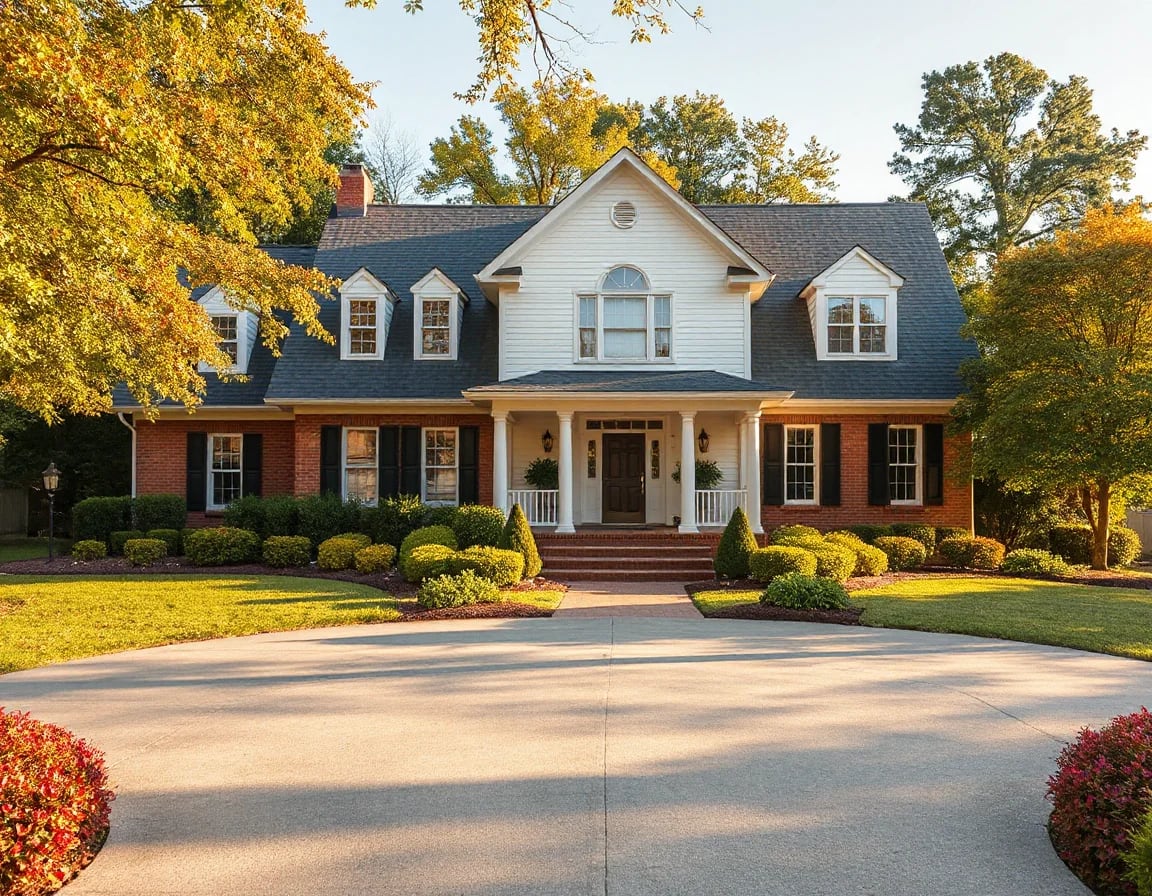
An automated estimate can be a useful starting point, but it cannot walk through your Greenville home, see what has been updated, or weigh the details buyers notice on your street. A well-supported value comes from current local evidence, thoughtful adjustments, and an understanding of how buyers are responding right now. If you are considering a sale, a more personal review can give you a clearer planning range.
It is easy to understand the appeal of an online home-value estimate. Enter an address, receive a number, and get an immediate snapshot of what a property may be worth. For Greenville homeowners, that number can be a helpful conversation starter. It should not, however, be mistaken for a complete pricing analysis.
Greenville is a market of meaningful differences. A home near downtown, a renovated property in an established neighborhood, and a newer home farther out in the Upstate can each attract a different buyer pool—even when the homes look similar on paper. An automated estimate works from available data and patterns. A real-world value opinion considers the home itself, the most relevant recent sales, and the demand building at the street level.
What an Automated Estimate Can—and Cannot—See
Automated valuation models use public records, recent transaction data, property characteristics, and broader market trends to calculate an estimate. Those inputs can be valuable. They give homeowners an accessible way to track general movement in the market and compare broad patterns over time.
The limitation is that the model is only as complete as the information it can verify. Public records may show bedroom count, square footage, lot size, and a previous sale price, but they rarely capture the full experience of a home. They do not reliably identify whether a kitchen was carefully renovated, whether the roof is nearing replacement, whether the floor plan feels unusually functional, or whether the backyard has become a genuine extension of the living space.
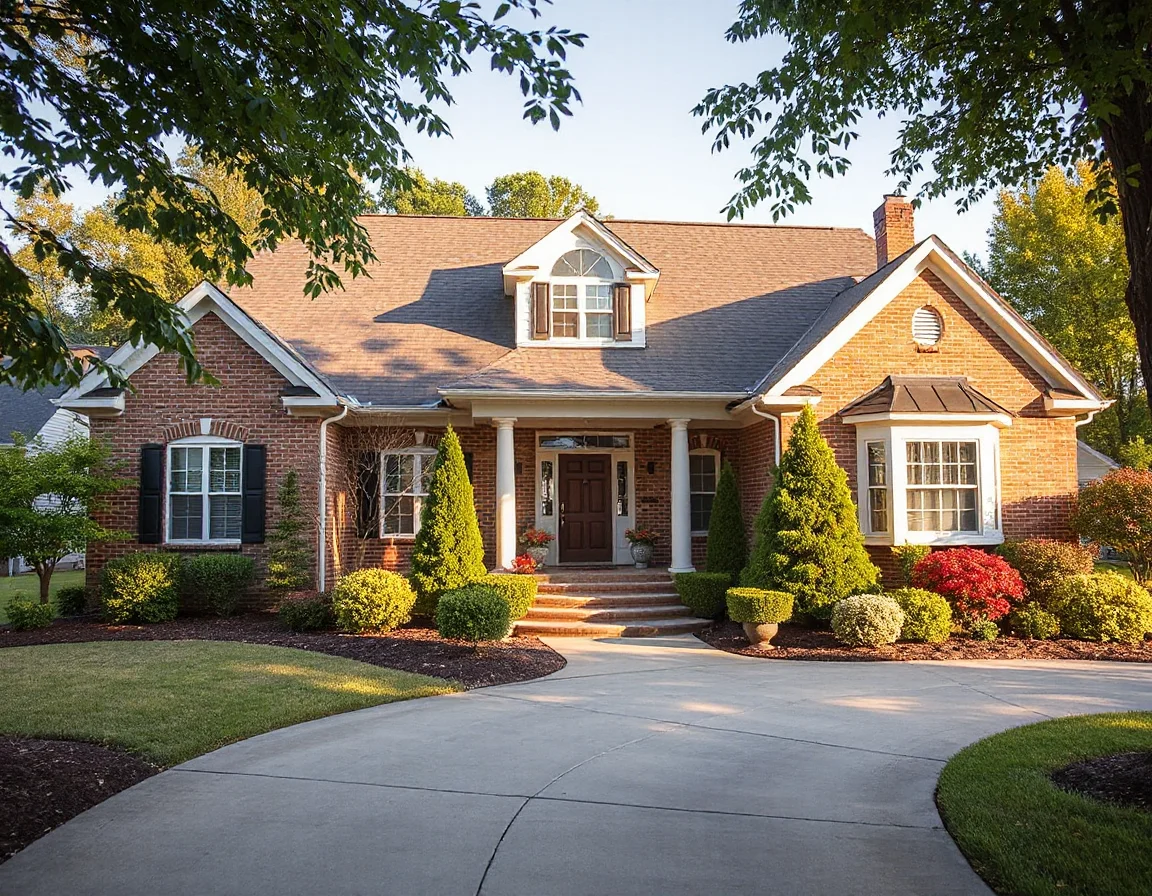
That gap matters because buyers do not make decisions from a spreadsheet alone. They react to light, layout, maintenance, finishes, storage, outdoor areas, and the confidence they feel while touring a property. Two Greenville homes with the same recorded square footage can command very different attention—and different offers—when one feels move-in ready and the other needs immediate work.
Online estimates are also not appraisals, listing-price recommendations, or guarantees of what a buyer will pay. They are estimates generated without a room-by-room visit or a real-time read of current buyer feedback. Treating the number as one data point, rather than the final answer, creates a much stronger foundation for your next step.
The most useful home-value conversation begins with the estimate, then tests it against the features, condition, and buyer response that an algorithm may not fully capture.
Renovations Can Change Value—But Details Matter
Renovations are one of the most common reasons a Greenville home’s online estimate does not feel accurate to its owner. A model may eventually reflect a major remodel after a sale is recorded, but it usually cannot judge the quality, scope, or market appeal of improvements before then. A newly refreshed kitchen, updated bathrooms, new flooring, energy-conscious systems, and thoughtful exterior improvements can all influence how buyers perceive a home.
Still, not every dollar spent on an improvement translates directly into an equal increase in market value. The key question is how the update compares with the expectations of buyers shopping in that particular price range and neighborhood. A polished kitchen may be especially meaningful where competing homes have dated finishes. A high-end specialty upgrade may be appreciated, yet not carry the same premium if nearby buyers are prioritizing bedrooms, location, or a turnkey condition instead.

Condition has an equally important role. Buyers often distinguish between a home that has been updated and one that has simply been maintained. Fresh paint and landscaping can improve first impressions, while deferred repairs may cause buyers to budget for uncertainty. Items such as aging mechanical systems, moisture concerns, worn finishes, or a roof near the end of its expected life can affect a buyer’s comfort level even if they do not appear in public property data.
A local value review accounts for both sides of that equation: the improvements that strengthen your position and the items a buyer may factor into an offer. It is not about finding a single magic number. It is about identifying a defensible range and a strategy that fits your home’s present condition.
Recently Closed Sales Tell a More Relevant Story
For a homeowner preparing to sell, recently closed comparable sales are among the most important pieces of evidence. These are not just homes that happen to be nearby. The best comparables are properties that align as closely as possible in location, style, size, age, condition, and buyer appeal—and that closed recently enough to reflect the market buyers are shopping in today.
That distinction is especially important in Greenville. Market conditions can vary across downtown-adjacent neighborhoods, established areas with larger lots, newer communities, and nearby destinations such as Greer, Taylors, Travelers Rest, Simpsonville, and Fountain Inn. Even within Greenville, crossing a busy road, entering a different school attendance area, or moving from one side of a neighborhood to another may change buyer expectations.
A closed sale also deserves more interpretation than a final price alone. Was the home updated? Did it offer a pool, a finished basement, or a premium lot? Was it marketed for only a short time, or did it need multiple price adjustments? Did the seller make concessions? These details help explain why a sale closed where it did. A thoughtful comparison adjusts for meaningful differences instead of assuming every nearby closing establishes the same value for your property.
The strongest comparables are recent, genuinely similar homes—not simply the closest addresses or the highest prices displayed online.
Street-Level Demand Is Hard to Automate
One of the most valuable parts of local pricing guidance is understanding demand that is developing right now. This is the information that comes from watching which homes receive immediate tour activity, where buyers are hesitating, and which features are creating competition. It is also where a local perspective can add context an automated estimate may miss.
On one Greenville street, buyers may be responding strongly to walkability, mature trees, front-porch character, or quick access to daily conveniences. On another, the appeal may center on a quiet cul-de-sac, a larger yard, newer construction, or an easy commute. The property records might not meaningfully distinguish those experiences, but buyers often do.
Street-level demand also shifts with inventory. When buyers have several similar choices, condition and presentation can become decisive. When quality inventory is limited, a well-positioned home may earn more attention. Neither circumstance means a seller should overprice or underprice; it means pricing should be grounded in the competition buyers can see today, alongside the homes they have recently chosen to purchase.
For buyers, this same local nuance helps explain why a home’s list price and online estimate may not line up. A listing price may reflect renovations, scarce features, or current competition. It may also be a starting point that the market will test. Reviewing comparable sales and active inventory with your agent can help you evaluate the opportunity with more clarity than an estimate alone provides.
How to Use an Online Estimate Wisely
There is no need to ignore an online estimate. Use it as an early reference point, especially if you are just beginning to think about a move. Then ask better questions. What information did the estimate likely use? Have you completed improvements that public records do not show? Which nearby homes have actually closed recently? How does your condition compare with those homes? What are buyers seeing among the active listings?
Gathering a short list of updates, approximate completion dates, and any major system replacements can make a value conversation more productive. Photos, permits where applicable, and receipts for substantial work may also provide helpful context. Your agent can then pair that property-specific information with a current review of closed sales, competing listings, and local demand.
The result is not a promise of a sale price. It is a more informed perspective on where your Greenville home may fit in the market and what choices could strengthen its positioning. Whether you plan to sell soon or simply want a reliable baseline for future planning, that context is far more useful than relying on one automated number alone.