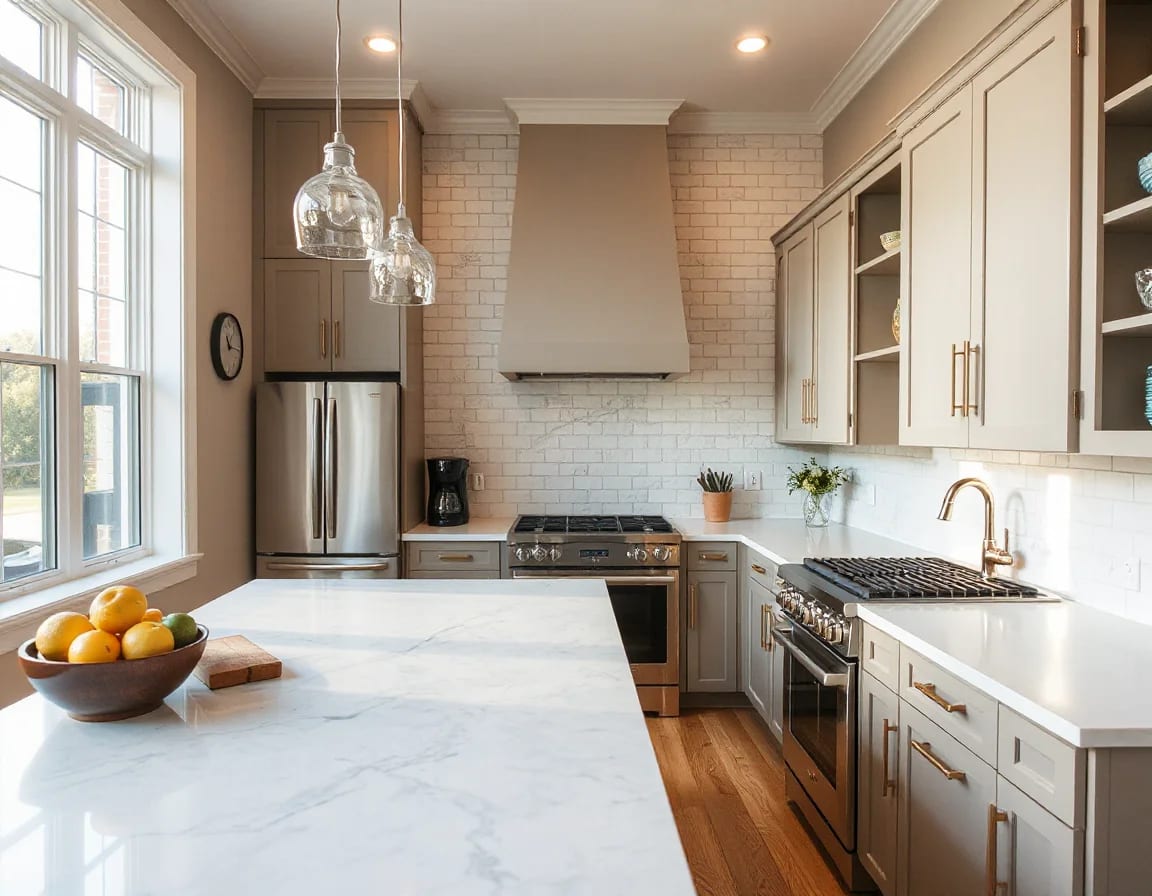
Preparing a Greenville home for sale is less about expensive renovations and more about helping buyers see its condition, layout, and everyday potential quickly. A thoughtful plan for repairs, presentation, pricing, and showing access can make the listing process feel more organized while giving your home a stronger first impression. Start with the work that improves clarity and confidence, then let the home’s features do the talking.
Start With a Clear, Honest Walk-Through
Before paint colors, landscaping, or listing photos enter the conversation, take a slow walk through your home with fresh eyes. Begin at the curb, move through every room, open closets and cabinets, and note what a visitor may notice in the first few minutes. In Greenville’s varied housing market, buyers may compare established homes, newer construction, condos, and properties across several Upstate communities in the same week. A home that feels well cared for and easy to understand can stand out regardless of its age or architectural style.
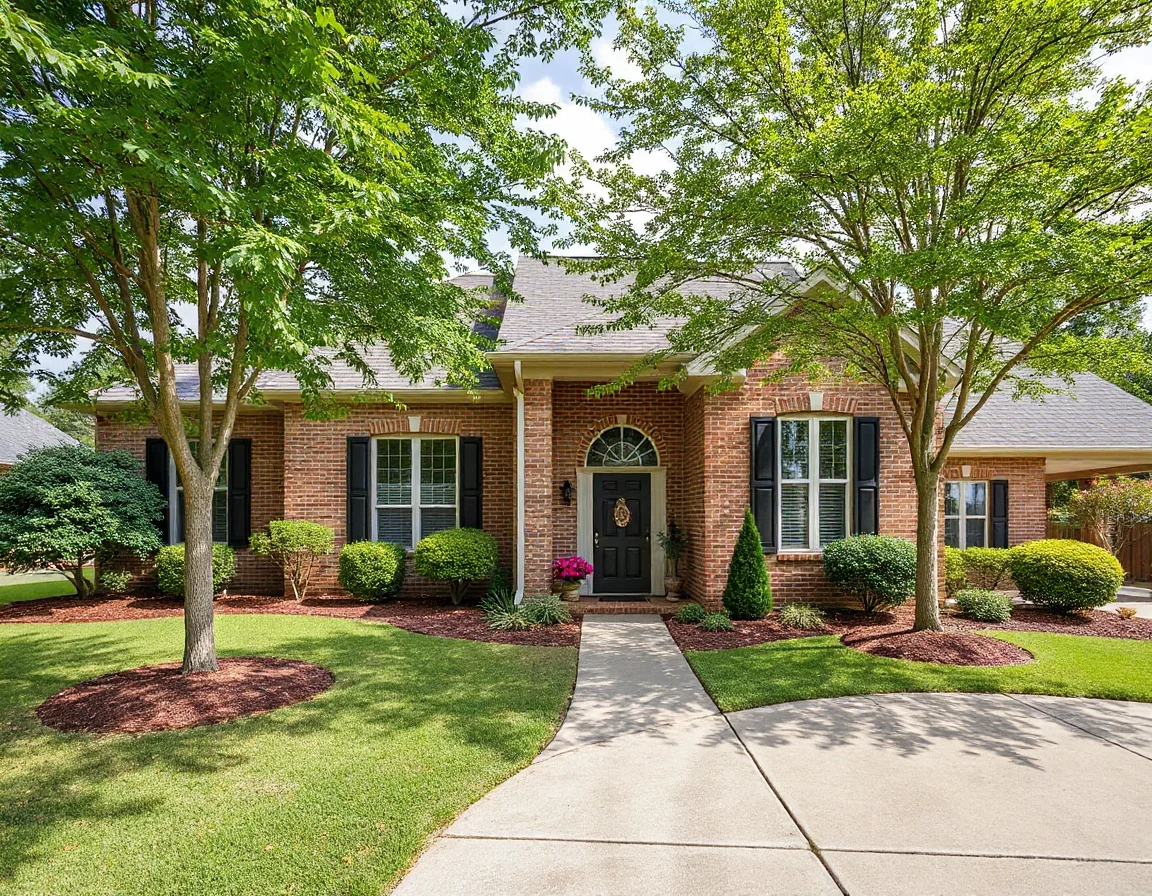
Make two lists during that walk-through. The first should cover practical repairs: dripping faucets, loose handrails, damaged screens, burned-out bulbs, sticking doors, cracked caulk, and visible wear around flooring or trim. The second should cover presentation items such as crowded counters, oversized furniture, personal collections, and storage areas that are too full to show their capacity. Addressing small details before the home is photographed can prevent them from becoming distractions during a showing.
It is also useful to think about systems rather than only surfaces. If you have service records for HVAC maintenance, roof work, plumbing updates, appliance manuals, or improvements to the property, organize them in one easy-to-reference folder. Documentation does not replace an inspection, but it gives buyers a more complete picture of the home’s maintenance history and can make follow-up questions easier to answer.
The most effective pre-listing projects are often the least dramatic: bright lighting, working hardware, clean grout, fresh caulk, and a home that feels orderly from the entry to the backyard.
For larger items, prioritize carefully. A major renovation is not automatically the right answer before selling. Instead, compare the likely cost, the condition of competing homes, and the features buyers are responding to in your price range. A local real estate professional can help separate improvements that support marketability from projects that may add stress without delivering a meaningful return.
Create a Presentation That Lets Rooms Work Harder
Once repairs are underway, focus on how each space communicates its purpose. Buyers are looking for room flow, storage, natural light, and usable square footage. Clearing pathways and editing furnishings can make a living area easier to read at a glance. In bedrooms, kitchens, bathrooms, laundry areas, and garages, the goal is not to make the home feel empty; it is to make the function of each area immediately apparent.
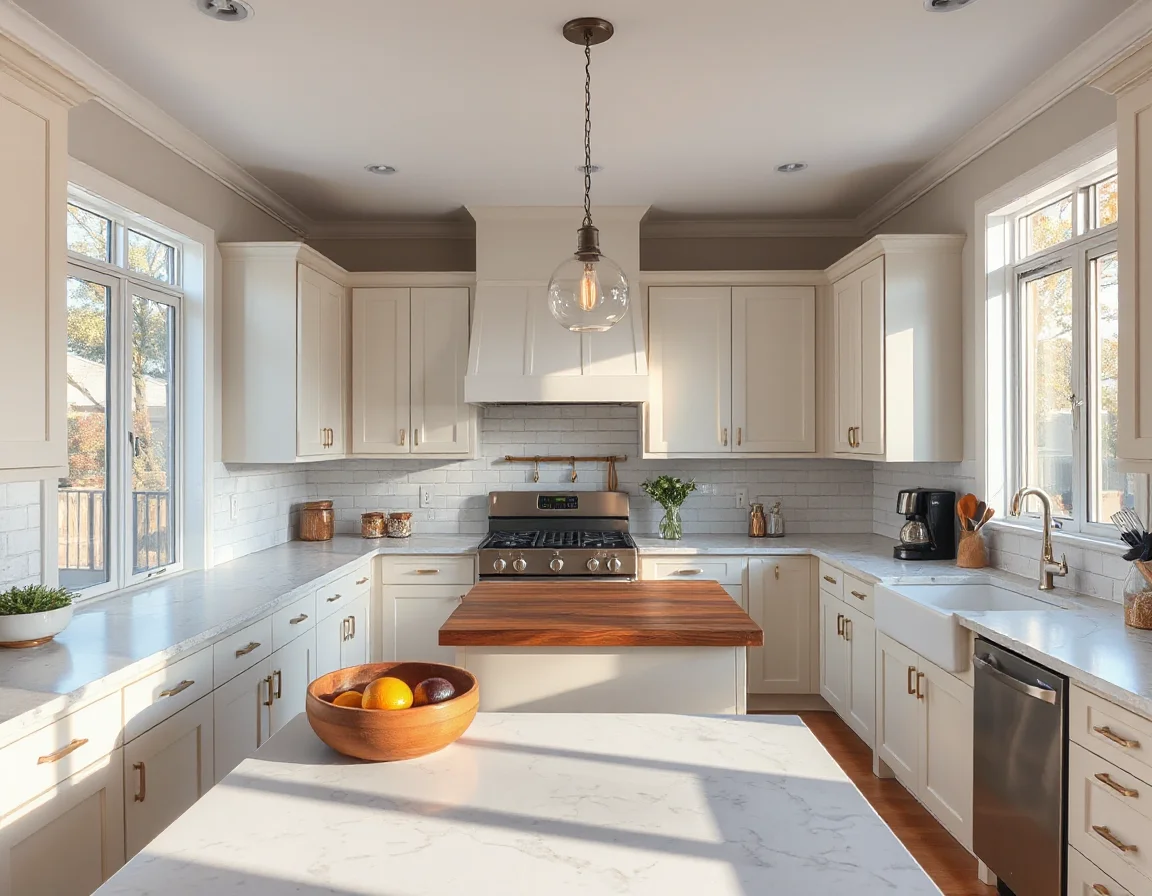
Cleaning is a marketing tool. Deep-clean areas that can be easy to overlook in daily life: baseboards, window tracks, ceiling fans, appliance fronts, shower doors, vent covers, and light fixtures. Neutral, well-maintained surfaces photograph more clearly and help buyers concentrate on the home itself. If pets live in the home, plan for thorough cleaning, fresh air, and a simple routine for removing bowls, beds, and supplies before appointments.
Light matters, especially for online listing photos. Replace mismatched bulbs, use consistent warm-white lighting where appropriate, open curtains and blinds, and trim exterior foliage that blocks windows. On the day photos are taken, clear kitchen counters except for a few intentional items, remove magnets and papers from the refrigerator, and tuck away toiletries in bathrooms. These steps help rooms look spacious without misrepresenting how the home lives.
Do not overlook exterior areas. Greenville’s mild stretches of weather often make porches, patios, decks, gardens, and yards part of a buyer’s first impression. Sweep hard surfaces, remove seasonal clutter, refresh mulch if needed, and make sure exterior lighting and door hardware are in working order. A clean entry, visible house numbers, and a simple outdoor seating arrangement can make the arrival feel more inviting and polished.
Staging can be modest and still effective. Rearranging what you already own, renting a few pieces for an unusually empty room, or using professional advice for key spaces may be enough. The strongest approach is one that supports the home’s actual scale and features instead of covering them up.
Price and Launch With Local Context
Preparation is also financial. Setting an asking price should involve more than choosing a number based on what a seller hopes to receive or what another home sold for months ago. Recent comparable sales, current listings, pending activity, property condition, lot characteristics, location, and buyer demand all matter. The Greenville and Upstate markets include many distinct pockets, so a close review of truly comparable properties is more useful than broad regional headlines.
Ask for a pricing conversation before finalizing big improvements. A local broker can help identify the home’s most marketable features, evaluate nearby competition, and explain how condition may affect buyer expectations. This is especially valuable when deciding between a quick refresh and a more involved project. The right plan is specific to the property, its price range, and the current inventory buyers can see online.
Request a Greenville home valuation
Timing and access deserve attention, too. Once the home is active, it helps to have a manageable showing routine. Keep a basket or bin ready for daily items, make beds in the morning, wipe down kitchen and bathroom surfaces, and create a plan for valuables, medications, documents, and pets. Flexible showing access can give more buyers an opportunity to view the home, while a simple reset routine reduces the pressure of last-minute appointments.
Professional photography should happen only after the work is complete. Strong photos, accurate property details, and a thoughtful description help buyers understand what they are seeing before they schedule a visit. Be direct about meaningful upgrades, usable spaces, outdoor features, parking, storage, and nearby amenities such as parks, trails, dining districts, and transportation routes. Clear information builds trust and helps attract buyers whose search criteria genuinely match the property.
Keep the Process Focused From Listing Day to Closing
The best-selling strategy is rarely about making a home look like someone else’s. It is about presenting a clean, maintained, well-priced property with information buyers can rely on. A focused pre-listing checklist gives sellers more control over the process and makes it easier to decide where time and money should go.
Begin early enough to complete repairs without rushing, but avoid waiting for “perfect.” Greenville homes come in many styles and conditions, and buyers often respond most strongly to homes that feel transparent, cared for, and ready for the next chapter. With practical preparation and local guidance, you can launch your listing with a clearer plan and a more confident first impression.