
A national estimate can be a useful first glance, but it cannot tell you what a qualified buyer is likely to pay for your particular Upstate home today. The most reliable starting point is a local review of recent closed sales, competing inventory, your home’s condition, and the timing of your move. If selling may be on your horizon, an accurate value helps you make decisions with more confidence.
If you have owned a home in the Upstate for several years, there is a good chance the number in your head is no longer tied to today’s market. That does not mean your home is worth less than you hope. It means that a sound pricing conversation needs more than an old purchase price, a neighbor’s story, or an online estimate.
The gap between what a seller expects and what the market supports is where costly mistakes happen. Price too low and you may leave money on the table. Price too high and you may miss the buyers who are actively comparing homes in your range, allowing a listing to sit longer than necessary. The goal is not to chase a flattering number; it is to understand a well-supported one.
Why an Automated Estimate Is Only a Starting Point
Online home-value tools are convenient because they provide an answer quickly. They pull together public information, broad market patterns, and data points from nearby properties. That can be helpful when you are simply curious. But an automated estimate is not a tailored valuation, and it should not be the only number guiding a major selling decision.
Algorithms cannot walk through your home, evaluate how it shows, or understand the details that make one property more desirable than another. They do not know whether your kitchen was thoughtfully renovated, whether the HVAC system has been updated, or whether the finished basement adds functional living space buyers in your area value. They also cannot reliably account for the difference a particular lot, street, view, or school-zone boundary can make.
A home’s online estimate is best treated as a conversation starter—not a list-price recommendation. The closer you are to selling, the more important it is to replace a broad estimate with local, property-specific evidence.
Another important limitation is timing. Automated tools may not fully reflect what has closed recently on your street or in your immediate neighborhood. A list price shows a seller’s expectation; a closed sale shows what buyers and sellers ultimately agreed upon. That distinction matters when you are deciding how to position your home.
The Local Evidence That Shapes Your Home’s Value
A local home valuation looks past a single estimate and examines the factors buyers are weighing right now. No two homes are identical, but a careful comparison of similar recently sold homes can establish a realistic range and help explain why your property may fall toward the higher or lower end of it.
Recent closed comparable sales
Comparable sales, often called “comps,” are recent closed transactions involving homes that resemble yours in location, size, age, style, features, and overall appeal. The most useful comps are not simply nearby addresses. They are properties buyers would have reasonably considered alongside your home.
For example, a sale on the same street may deserve more weight than a sale farther away, but only if the homes truly compete with each other. Differences in square footage, lot size, bedroom count, layout, updates, and condition all need to be considered. The objective is a clear comparison, not a convenient one.
Current inventory and active competition
Sold homes explain where the market has been; active listings show what your home will compete against when it becomes available. Buyers can tour several homes in a single weekend, and they are usually comparing condition, features, location, and perceived value at the same time.
- How many similar homes are currently available in your price range?
- Which competing homes are newly listed, reduced, or already under contract?
- How does your home’s condition and presentation compare at first glance?
- What features might make a buyer choose one property over another?
Inventory does not set your value by itself, but it influences pricing strategy. A home with few close competitors may have more room to stand out. A home entering a crowded segment needs a sharper, more intentional position from day one.
Condition, updates, and presentation
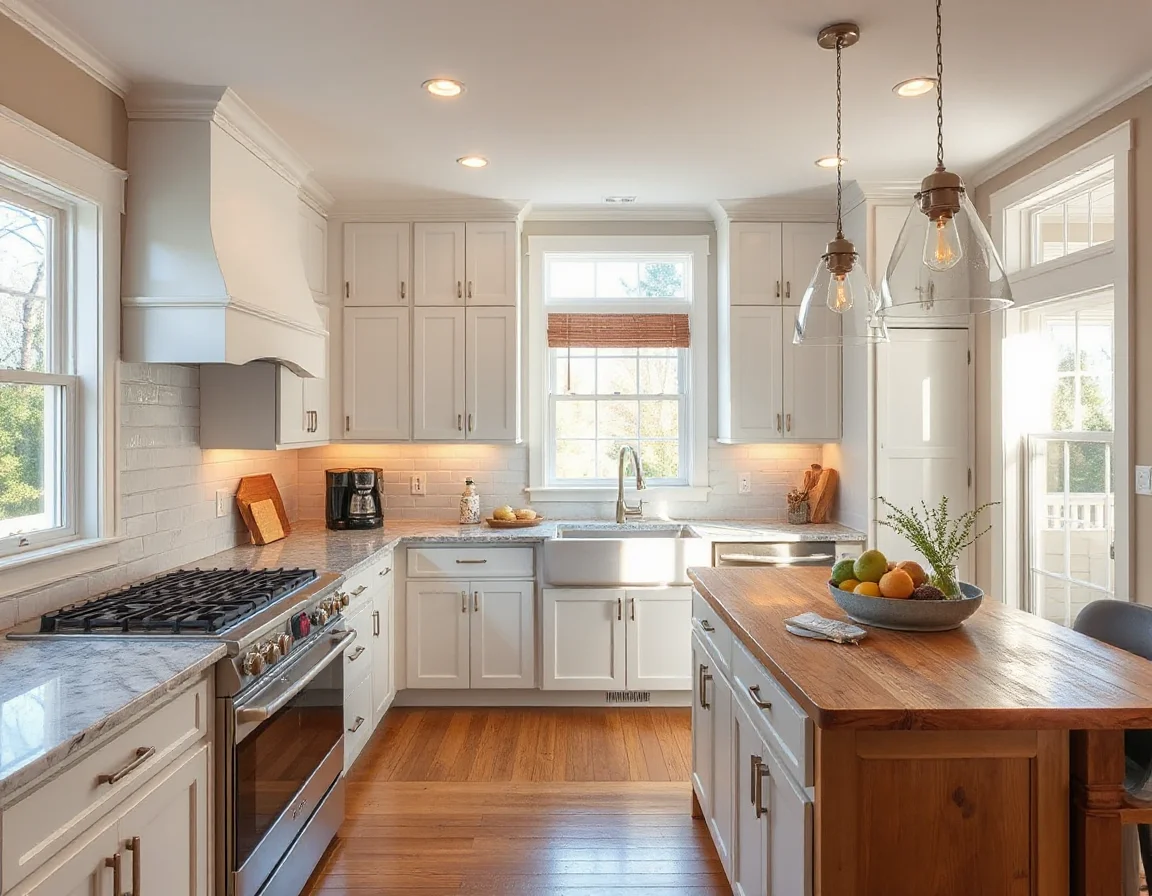
Condition is not a line item that can be reduced to a simple checklist. Buyers react to the overall impression a home creates: whether it feels maintained, whether updates appear cohesive, and whether they can picture moving in without an immediate project. Renovated kitchens, updated systems, functional outdoor areas, and a well-cared-for interior can all affect buyer perception when compared with similar homes.
That does not mean every improvement returns its cost dollar for dollar. It means improvements should be evaluated in context. A local review helps separate updates that may improve marketability from projects that are unlikely to change a buyer’s decision enough to justify doing before a sale.

Timing Can Change the Conversation
Market conditions are not static. Buyer activity, competing inventory, interest in a particular price range, and the calendar can all influence how a listing performs. A home that might have sold in three days at one point could take three weeks at another—or the opposite may be true—depending on the neighborhood and the buyers currently shopping.
Timing should not create panic, and it should not encourage guesswork. It should encourage preparation. If you are considering a move within the next six to twelve months, learning your likely value early gives you time to address repairs, prioritize updates, organize records, and plan the next step without rushing.
The best time to request a valuation is often before you are ready to list. Early clarity gives you options, while last-minute pricing decisions can limit them.
It is also wise to revisit a valuation if your plans change. A pricing range prepared months ago may need an updated look at closed sales and active competition before your home reaches the market. Local evidence should be current enough to support the decision in front of you.
Why Greenville, Greer, Taylors, and Anderson May Not Move the Same Way
It is tempting to speak about the Upstate as one market, but sellers benefit from looking closer. Greenville, Greer, Taylors, and Anderson can each have different pockets of demand depending on price point, home type, location, and school district. A broad regional headline cannot replace the details buyers consider in a specific search area.
School-zone lines are one example. Homes that appear physically close on a map can attract different buyer pools when they fall within different districts. The same is true for nearby amenities, commuting patterns, lot characteristics, and the type of homes available in a neighborhood. Those distinctions are why a value opinion based on the whole metro area can miss the mark for an individual address.
Price point matters, too. Buyer demand may be more active in one segment while another has more choices available. A realistic local review identifies the homes your likely buyers will actually compare, rather than relying on averages that blend together properties with very different audiences.

Start With a Local Value Before You Commit to a Price
If you are even thinking about selling in the next six to twelve months, start with an actual local valuation based on real closed comparables in your specific area. It is a practical way to understand your options before making decisions about repairs, timing, a future purchase, or the price you hope to achieve.
Our team can help you look beyond a national algorithm and focus on the factors buyers will see when your home enters the market. Request a free, no-obligation local home value estimate and begin with a clearer picture of your Greenville-area home’s position today.