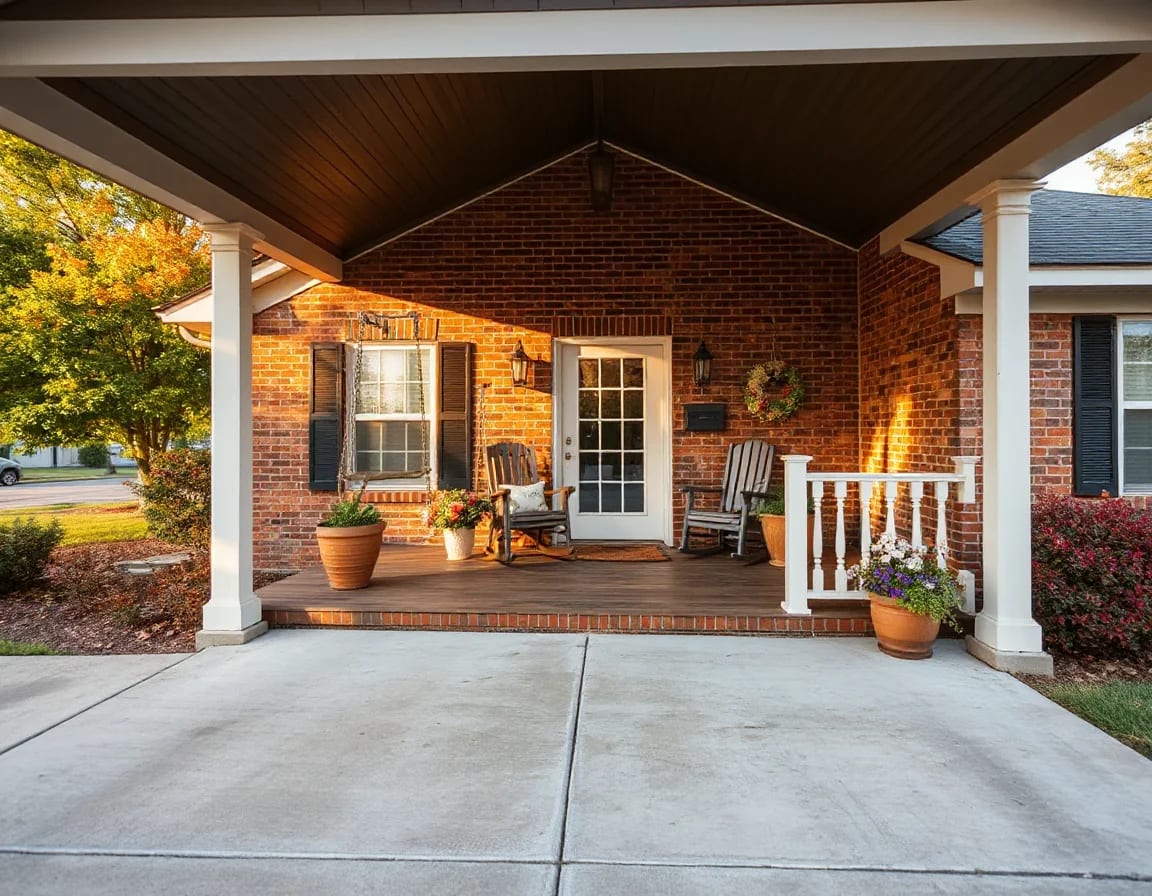
A brick ranch and a new build can both offer an excellent path to homeownership in Taylors, but they ask different questions of your budget, timeline, and maintenance plan. Use these seven decision points to compare the homes beyond fresh paint, model-home finishes, or a favorite floor plan. The strongest choice is the one that works on move-in day and still makes sense after the first year of ownership.
Start With the Way the Home Lives
In Taylors, buyers often encounter two very different kinds of opportunity: established brick ranch homes with mature lots and newer construction with current layouts, updated systems, and builder warranties. Neither category wins automatically. A ranch may offer a practical single-level layout and the character that comes with an established setting, while a new build may simplify early ownership with newer components and a more predictable finish package.
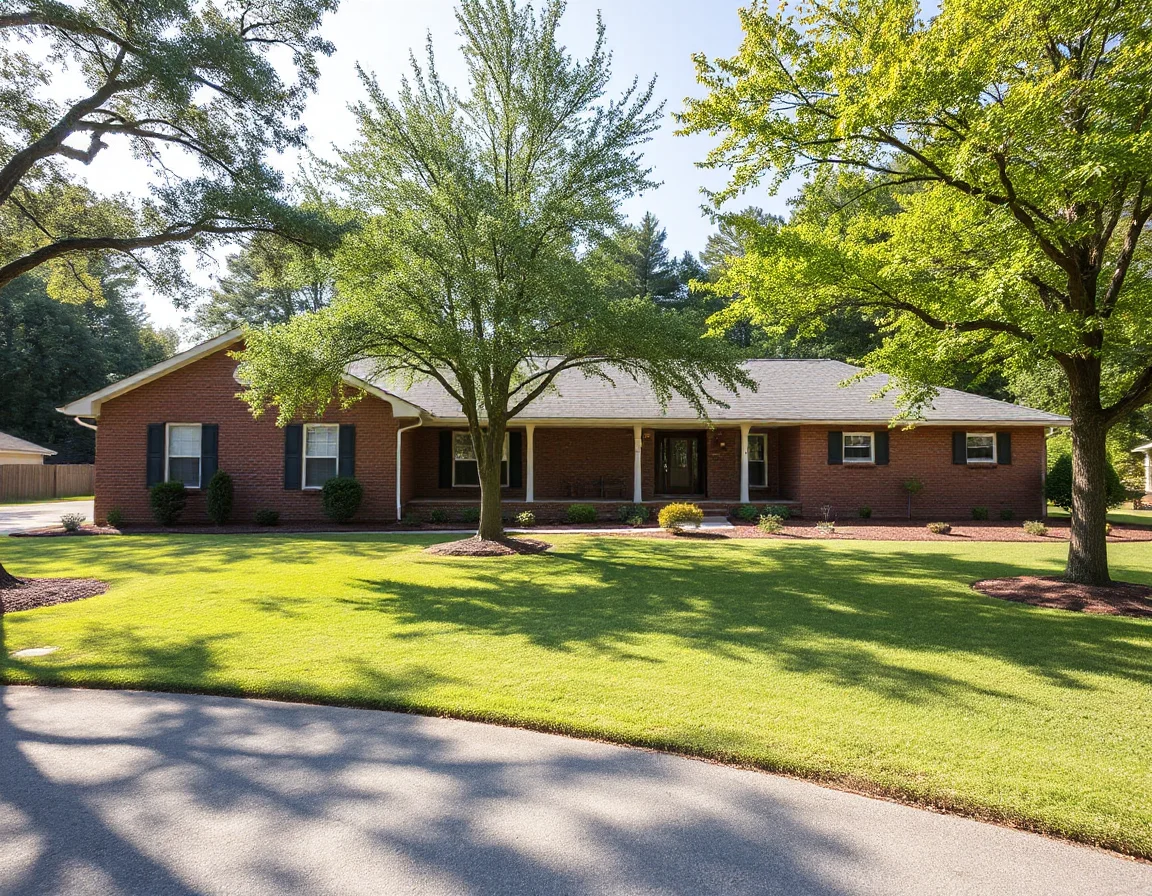
Point 1: Compare the floor plan, not just the square footage. A traditional ranch can make everyday movement straightforward because living areas, bedrooms, and often laundry spaces are on one level. At the same time, an older plan may include more separated rooms, smaller closets, or a kitchen that feels enclosed. Many new builds lean toward connected kitchen, dining, and living spaces, but an open layout is only useful if it fits how you want to furnish, work, cook, and spend time at home.
Walk through each property with a practical lens. Where will coats, pantry items, cleaning supplies, and outdoor gear go? Is there a quiet spot for focused work, hobbies, or guests? Can furniture fit without blocking pathways? A home can photograph beautifully and still require compromises that become obvious only after a careful, unhurried showing.
Point 2: Put the lot on the same scorecard as the house. Established ranch properties may have deeper setbacks, mature shade trees, patios, outbuildings, or landscaping that has developed over decades. New construction may offer a lower-maintenance starting point, but lot size, grading, drainage, easements, and the position of nearby future construction all deserve close review. Ask what you can see, hear, and maintain from each outdoor area rather than assuming the yard will feel the same in every season.
A larger lot is not automatically a better fit. Consider the mowing, tree care, drainage, fencing rules, and outdoor upkeep that will come with it before assigning value to extra yard space.
Price the Whole First Year, Not Only the Purchase
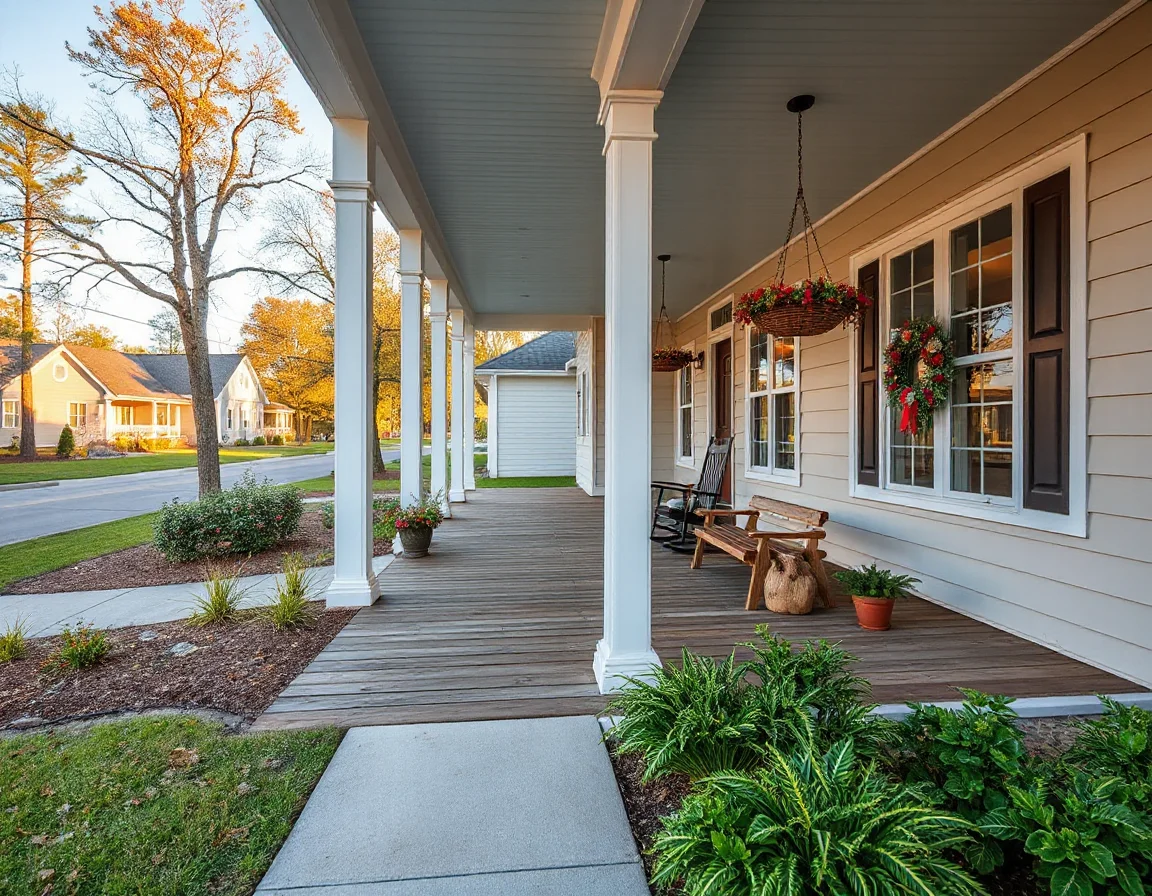
Point 3: Separate the purchase price from the ownership budget. A new build can reduce uncertainty around major systems in the first few years, especially when builder and manufacturer warranties apply. But buyers should still budget for items that may not be included: window coverings, appliances, landscaping additions, fencing, gutters, storage, ceiling fans, or a patio. The advertised base price is only the beginning of the conversation.
A brick ranch may have a lower initial price point in some comparisons, yet it can need more immediate attention depending on its age and condition. Roof life, HVAC performance, electrical panels, plumbing lines, insulation, crawlspace moisture, windows, and drainage are all worth investigating. Cosmetic updates can be planned over time; water management, structural concerns, or aging mechanical systems may need a faster response.
Point 4: Treat inspections as a planning tool. An inspection is valuable for every home, including a newly built one. For an established property, it can clarify which repairs deserve attention now, which should be budgeted for later, and which are ordinary maintenance. For new construction, an independent inspection can help identify incomplete work or items to address before closing. In either case, read the report with an eye toward priorities rather than expecting a home of any age to be flawless.
Also compare recurring expenses. Property taxes, homeowners association dues where applicable, insurance availability, utility use, lawn care, and commute-related costs can change the long-term picture. Request estimates early enough that they inform your offer strategy and not just your final decision.
Look Closely at Timing, Customization, and Location
Point 5: Decide how much customization you truly need. New construction can offer choices in finishes, fixtures, cabinetry, flooring, and elevation details when the build is early enough. Those options can be appealing, but they may add cost and extend the decision process. Ask for a written outline of included features, upgrade prices, deadlines, and what happens if a selected material becomes unavailable.
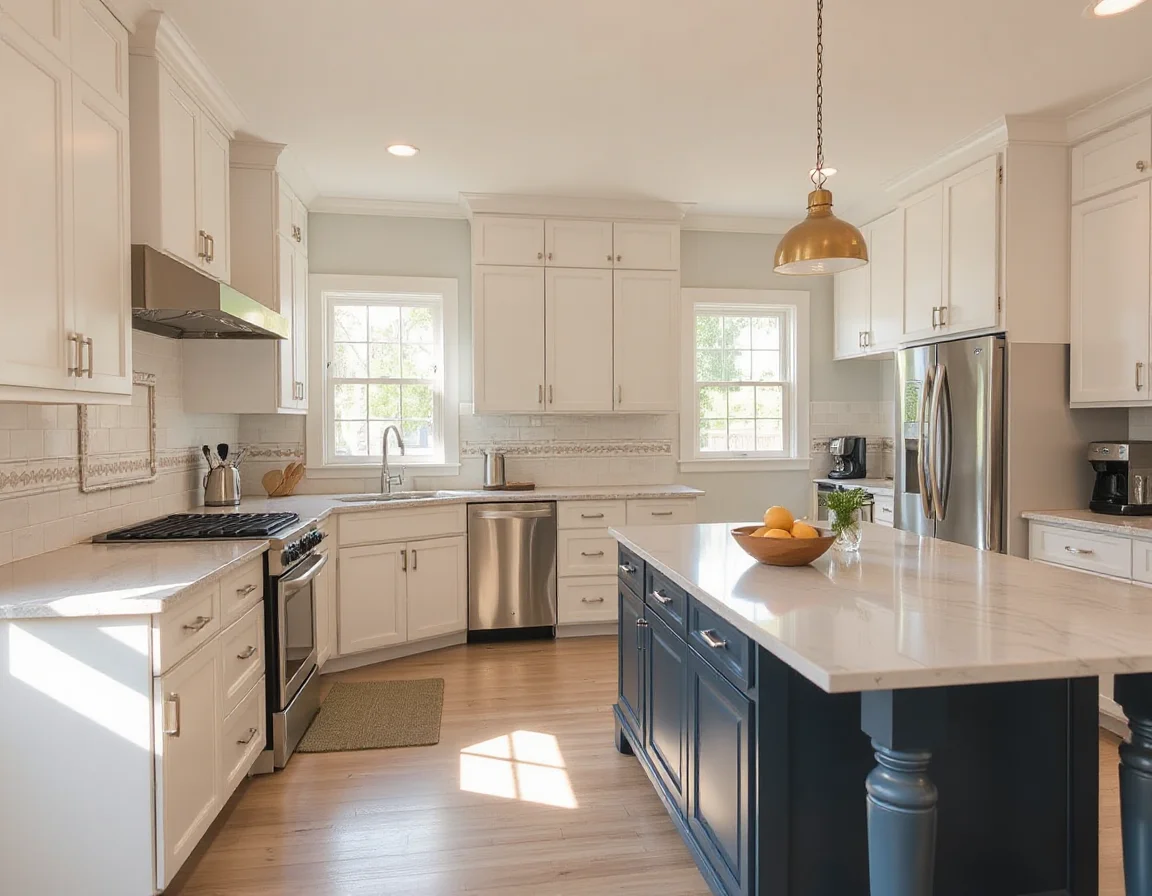
An existing brick ranch offers a different kind of flexibility. You can see the exact home, lot, light, storage, and finished surroundings before making an offer. If updates are part of your plan, focus first on projects that protect the home and improve function. A modest kitchen refresh, lighting update, or paint change may create a meaningful result without requiring a full renovation right away.
Point 6: Be realistic about your move-in schedule. A completed new build may be ready quickly, but a home still under construction can have a timeline affected by permitting, weather, materials, inspections, and final punch-list work. Confirm the anticipated completion date, closing process, deposit terms, and any rate-lock considerations with the appropriate professionals. With a resale ranch, the timeline is usually tied to negotiations, inspections, financing, appraisal, and the seller’s agreed closing date.
Point 7: Evaluate the address in daily terms. Taylors offers access to a variety of Upstate destinations, and the best location comparison begins with your own routines. Map routes to work, services, recreation, major roads, and the places you visit regularly. Visit at more than one time of day when possible, and observe traffic patterns, road noise, slopes, drainage, nearby construction activity, and the condition of public streets or private roads.
For a new-build community, ask whether nearby lots are complete or still planned for construction. For an established property, ask about recent upgrades, utility locations, and any maintenance history that can help you plan ahead.
Make a Decision You Can Support With Details
The most useful comparison is not “older versus newer.” It is a side-by-side review of condition, layout, lot, monthly costs, timing, and your capacity for projects. Create a simple worksheet for each home and rate the features that matter most to you. Include expected repairs or upgrades, not just the qualities that stand out during a showing.
A brick ranch may provide established character, usable outdoor space, and a renovation path you can pace over time. A new build may offer current construction standards, a fresh starting point, and fewer early maintenance unknowns. Both can be strong choices in Taylors when the numbers, inspection findings, and daily experience align with your goals.
If two homes remain close after your comparison, return for a second look with your questions in hand. Notice what you missed the first time, review disclosures and builder documents carefully, and give equal weight to practical details and personal comfort. A thoughtful decision now can make the first year in your new home feel far more manageable.