
Greer offers a distinctive downtown setting, a practical position between Greenville and Spartanburg, and a broad range of residential settings to explore. For buyers and sellers, the key is matching the pace, location, and property type to the way you want to live—not relying on a one-size-fits-all description of the area.
For people considering an Upstate South Carolina move, Greer is often a place worth a closer look. It has a recognizable historic core, everyday conveniences nearby, and access to major employment, retail, and entertainment destinations across the region. The experience of living here can vary considerably by neighborhood and by your commute, so a thoughtful visit and current listing review are essential parts of the process.
Whether you are relocating, moving up, simplifying, or preparing to sell, this guide offers a practical starting point for understanding what gives Greer its appeal and what to evaluate before making a move.
A Downtown With Its Own Sense of Place
Downtown Greer centers on a walkable collection of older commercial buildings, local businesses, restaurants, and gathering spaces. The streetscape feels distinct from a newer retail corridor or a purely residential suburb: storefronts, sidewalks, and public spaces encourage people to slow down, meet for a meal, or browse for an afternoon. For many buyers, that established character is an important part of the draw.
Greer City Park is a focal point near downtown, offering green space and an outdoor setting that helps connect community events with nearby shops and dining. The downtown area also creates opportunities to choose a home based on how close you want to be to that activity. Some buyers prioritize being within a short drive of Main Street; others prefer a quieter neighborhood while keeping downtown available as an easy destination.

When touring the area, spend time there at more than one hour of the day. Notice parking patterns, street activity, nearby traffic routes, and the distance from prospective homes to the places you expect to use regularly. A location that feels ideal for a weekend lunch may feel different during a weekday commute, and personal observation is more useful than a broad label.
Downtown proximity is not a single feature. Ask what it means for your routine: a walkable destination, a quick drive for dinner, convenient access to services, or simply the character of an established district nearby.
How Greer Connects to Greenville and the Upstate
One of Greer’s practical advantages is its position within the larger Upstate. Greenville is accessible from Greer for dining, cultural attractions, shopping, healthcare, and employment, while Spartanburg and other surrounding communities are also part of the regional picture. That centrality can be useful for households with different daily destinations, but drive times are never identical from one address to another.
Before narrowing a home search, map the routes that matter most: work, regular appointments, airport travel, grocery stops, favorite restaurants, and visits with family or friends. Consider the time of day you will actually be traveling. Roads, construction, and your specific starting point can all influence the everyday experience of a location.
For sellers, Greer’s regional connectivity can be part of a clear, accurate property story. Rather than making sweeping promises about convenience, focus on tangible details: nearby road access, the relationship to downtown, and the practical destinations a buyer can reach from the home. A well-prepared listing helps prospective buyers understand how the property fits into their own routines.
Dining, Events, and the Community Atmosphere
Greer’s downtown dining scene adds another layer to its appeal. Choices may range from casual coffee stops and relaxed lunches to evening dining, creating places for residents to meet without automatically heading into Greenville. Independent businesses and locally oriented events can give the area a familiar, active feel, particularly around the downtown core.
Community calendars change, so it is wise to check current city, park, and business information for events during your visit. Seasonal markets, outdoor programming, live music, and special gatherings can shape how a downtown feels, but the best measure is whether those opportunities match your own interests and schedule. Some households want a lively calendar close at hand; others simply appreciate having it as an occasional option.

Dining and events are also useful for buyers who are still learning the area. A few unhurried visits can reveal the rhythm of a place better than a map alone. Pair a meal downtown with a drive through the residential areas on your list, then compare the housing styles, lot sizes, road layouts, and nearby commercial activity that matter to you.
It is equally helpful for sellers to recognize that community atmosphere is personal. The strongest marketing does not assume every buyer wants the same lifestyle. Instead, it presents the home accurately and shows how its location relates to the amenities, routes, and experiences buyers may value.
What to Look for in Greer Homes for Sale
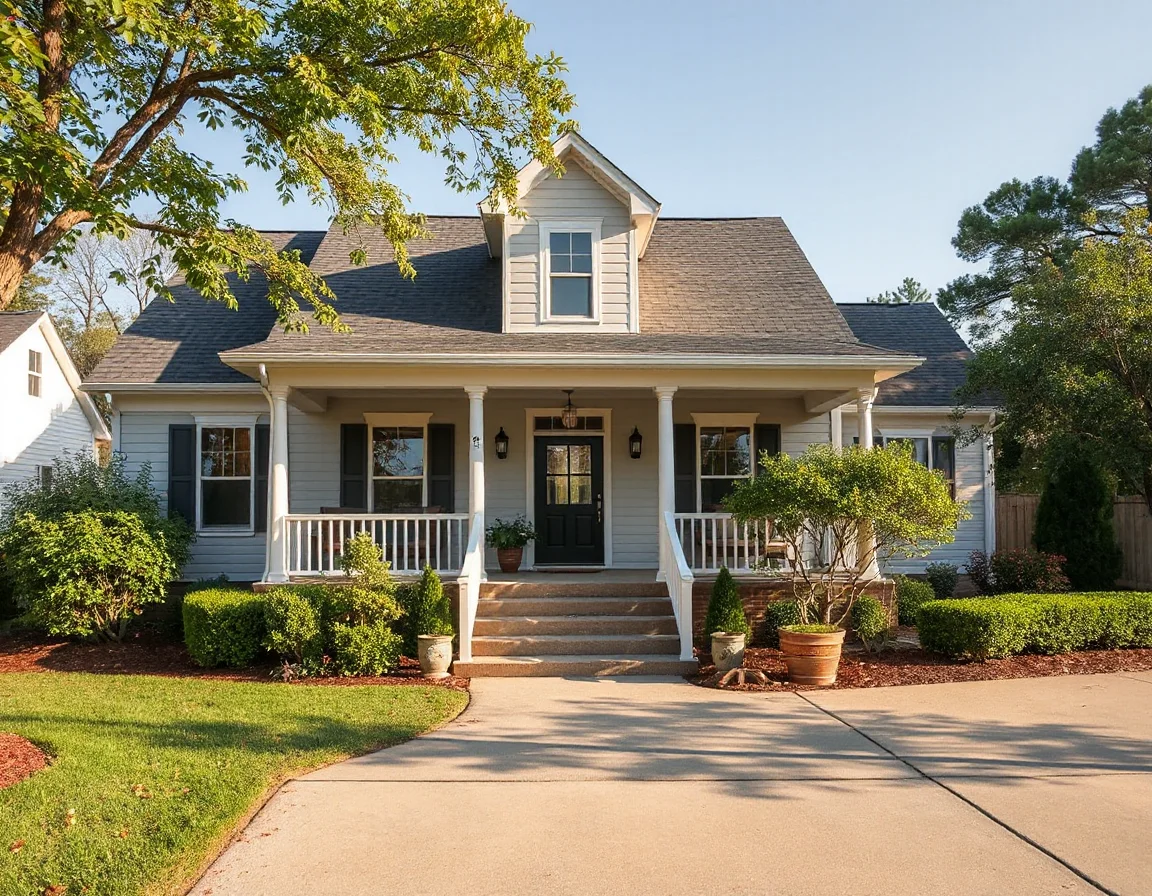
Current Greer listings can include a mix of established homes near town, newer neighborhood construction, townhomes, and properties in settings that feel more private or more connected to major corridors. Inventory changes regularly, so it is better to define your must-haves before reacting to individual listings. Start with the essentials: budget, preferred property type, bedroom and bathroom needs, outdoor space, condition, and a workable location for your routine.
Then add the questions that make comparison more meaningful. How much renovation are you comfortable taking on? Do you prefer mature landscaping or a newer layout? Is an attached garage, flexible workspace, or a particular lot configuration important? Are there homeowners’ association requirements, and do they align with your expectations? These details often matter more over time than a brief first impression.
Buyers should also review listing information carefully and verify the features that influence their decision. Property boundaries, condition, improvements, association documents, utilities, and any planned work deserve appropriate due diligence. Your agent can help organize a tour strategy, compare active options, and identify questions to raise before you move forward.
A successful Greer search begins with a clear definition of “fit.” Compare homes not only by price and square footage, but also by daily routes, maintenance expectations, setting, and the features you will use most often.
A Practical Approach for Sellers
If you are selling in Greer, begin with the same local perspective a buyer will bring. Review nearby active and recently sold properties with your agent, then consider how your home’s condition, presentation, and location compare. The goal is not to make assumptions about demand; it is to position the property with accurate information, thoughtful preparation, and a pricing strategy grounded in current market evidence.
Small preparation steps can make a meaningful difference in how buyers experience a home. Address deferred maintenance where practical, clarify what features convey, and make spaces easy to understand during a showing. Exterior presentation matters as well: entry areas, landscaping, and sightlines from the street all contribute to a buyer’s first impression. Your agent can help prioritize the work that supports a well-documented listing without overpromising an outcome.
Is Greer the Right Next Move?
Greer will not mean the same thing to every household, and that is part of what makes a focused search valuable. Its downtown character, regional access, dining options, and range of home settings offer several paths to explore. The right fit comes from connecting those elements to your actual priorities, then evaluating available homes one by one.
Take time to visit, drive your likely routes, and compare current options with a clear list of needs. A local real estate professional can provide current listing context and help you evaluate the details behind the photos, so you can make a decision based on the home and location that truly support your next chapter.