
Do You Really Need 20% Down to Buy a Home? What Upstate SC Buyers Should Know
A 20% down payment can be a strong option, but it is not the only path to homeownership in Upstate South Carolina. Eligible VA buyers may have zero-down options, and some conventional loans may permit lower down payments. The right approach depends on your finances, the home, and the loan program you qualify for—not a one-size-fits-all rule.
For many Upstate South Carolina buyers, the phrase “you need 20% down” is one of the biggest reasons a home search gets delayed. Saving a substantial amount can feel daunting while you are also managing rent, student loans, childcare, moving costs, or everyday expenses. The good news is that 20% is not always a requirement to buy a home. The more important news is that down-payment decisions deserve a complete look at your budget, financing options, and long-term comfort level.
Whether you are considering a first home in Greenville, a newer property in Greer, a growing neighborhood in Boiling Springs, or more space in Spartanburg County, understanding the difference between a common benchmark and an actual loan requirement can make your next step feel more manageable.
Why the 20% Down Payment Idea Sticks Around
The 20% figure did not come from nowhere. For many conventional mortgages, putting down 20% may allow a buyer to avoid private mortgage insurance, commonly called PMI. A larger down payment can also reduce the amount borrowed, which may lower the monthly principal-and-interest payment. In some cases, it may influence the loan terms a buyer is offered.
Those are meaningful potential benefits, but they do not turn 20% into a universal rule. A buyer who waits years to reach a specific savings target could encounter different home prices, changing interest rates, or changing inventory along the way. Another buyer may decide that retaining a healthy emergency reserve matters more than directing every available dollar toward the down payment. Neither choice is automatically right; both deserve thoughtful comparison.

It is also helpful to separate the down payment from the total cash needed to close. Depending on the transaction, buyers may need to plan for earnest money, inspections, appraisal-related costs, lender fees, prepaid items, and other closing costs. The amount and timing of these expenses can vary widely. A lender can explain the estimates tied to a particular loan scenario, while your real estate team can help you understand common transaction steps and local expectations.
The best down payment is not simply the largest number you can assemble. It is the amount that supports a sustainable monthly payment and leaves you prepared for the responsibilities that begin after closing.
Lower-Down-Payment Options May Be Available
Many buyers are surprised to learn that certain conventional loan programs may allow down payments below 20% for qualified applicants. Requirements vary by lender and program, and qualification can depend on factors such as credit profile, income, debt obligations, occupancy, property type, and the amount being borrowed. Lower down payments can make buying sooner possible for some households, but they may also mean a larger loan balance and mortgage insurance.
Mortgage insurance is not a penalty for buying with less than 20% down; it is an added cost associated with certain financing structures. Its price and duration are not identical for every buyer. The details can differ based on the loan program, the down payment amount, credit characteristics, and other underwriting considerations. Ask a licensed lender to show you how mortgage insurance appears in the estimated monthly payment and how it may change over time.
Buyers should also keep in mind that a smaller down payment does not erase the importance of a strong offer strategy. In competitive parts of the Upstate, sellers may consider price, financing terms, closing timeline, contingencies, and overall clarity of the offer. A pre-approval from a lender is different from a guarantee of final approval, but it can help you begin the search with a clearer price range and a better understanding of the documentation a lender may request.
VA Buyers: Zero Down May Be an Option for Eligible Borrowers
Eligible veterans, active-duty service members, and certain surviving spouses may have access to VA home loan benefits. In many situations, a VA loan can offer a zero-down option for an eligible buyer purchasing a primary residence. That possibility can be especially valuable for households who have reliable income and a desire to buy but have not accumulated a large down payment.
A VA loan still involves eligibility requirements, lender underwriting, property standards, and closing costs. It is not an automatic approval, and it is not the right fit for every situation. Loan limits, entitlement, funding fees, seller concessions, appraisal standards, and lender overlays can all affect the details. A lender experienced with VA financing can explain how the program applies to your circumstances and whether it fits your goals.
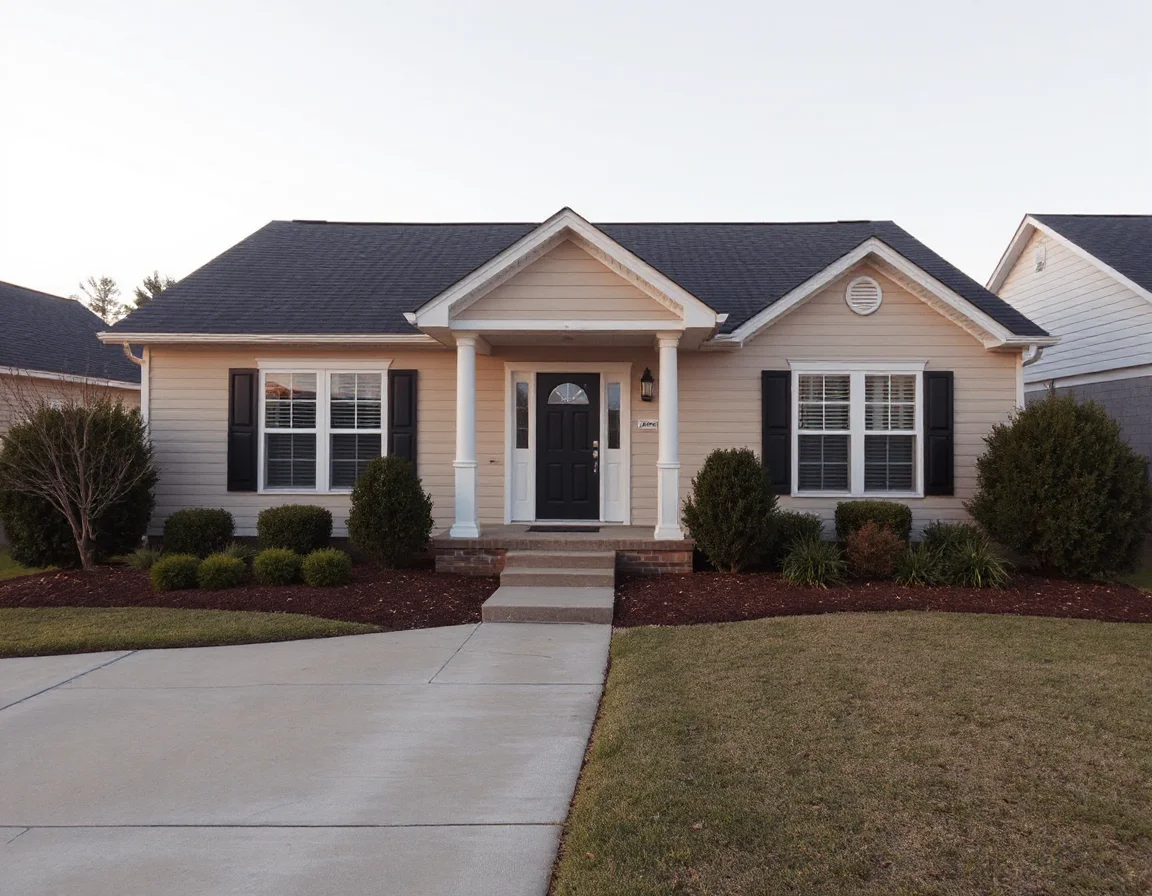
From the home-search side, it is useful to share your financing plan early. That does not mean disclosing private financial details to everyone involved. It means allowing your agent to help focus the search on homes, locations, and offer timelines that align with your lender conversation. A buyer considering VA financing can still explore a broad range of homes throughout Greenville, Taylors, Duncan, Lyman, and nearby communities, while staying attentive to property condition and contract considerations.
Compare the Whole Monthly Picture, Not Just the Down Payment
It is easy to concentrate on the cash you need today and overlook the payment you will live with tomorrow. Before you fall in love with a home, ask for a complete monthly estimate that includes principal, interest, property taxes, homeowners insurance, and any applicable mortgage insurance or association dues. The monthly amount can be influenced by loan type, rate, down payment, purchase price, tax assessment, insurance selections, and other factors.
Interest rates deserve careful context, too. Rates are not one universal number advertised to every borrower. They may vary with market conditions, loan product, credit factors, loan term, points, occupancy, and lender-specific criteria. A rate quote from one day or one borrower should not be treated as a promise for another. Only a qualified lender can discuss current terms and determine what you may be approved to borrow.
A home search works best when your target price leaves room for the life you want to live after moving in—maintenance, savings, commuting, hobbies, and the surprises every homeowner eventually encounters.
There is also a practical difference between being approved for a maximum amount and choosing a comfortable purchase range. Your lender can help evaluate underwriting capacity. You can decide what monthly commitment fits your household priorities. That decision may affect whether you look at a larger home farther from central Greenville, a lower-maintenance townhome, or a starter home with room to build equity over time.
Questions to Bring to a Lender Before You Start Touring
A productive lender conversation is about more than asking, “How much can I borrow?” Consider asking which loan programs you may be eligible to explore, what down-payment ranges are possible, how mortgage insurance could affect your payment, and what estimated closing costs should be considered. You may also ask what documentation is needed for pre-approval and how long that pre-approval is expected to remain useful.
- What down payment options may be available for my situation?
- How would different down payments change my estimated payment and cash to close?
- Could mortgage insurance apply, and how is it calculated?
- What costs should I plan for beyond the down payment?
- What conditions still need to be met for final loan approval?
These questions are designed to help you gather information, not to replace professional financial, legal, or lending advice. Loan products, eligibility, approval standards, rates, fees, and costs can change, and every borrower’s situation is different. Do not rely on general real estate content as a financing recommendation or a promise of approval.

Build Your Upstate SC Search Around Real Numbers
Buying a home does not require a perfect financial story or a predetermined 20% down payment. It does require clear information, realistic expectations, and a plan that accounts for both upfront costs and ongoing ownership. Once you have spoken with a lender, your agent can help translate your comfortable range into a focused search across the Upstate communities that fit your needs.
There is value in starting the conversation before every detail is finalized. You can learn how homes are positioned in the areas you are considering, what features tend to matter most in your price range, and how to prepare for tours when the right opportunity appears. Financing and final approval remain with your lender, while the home search can begin with a more confident understanding of your options.
Start a conversation about your Upstate South Carolina home search.