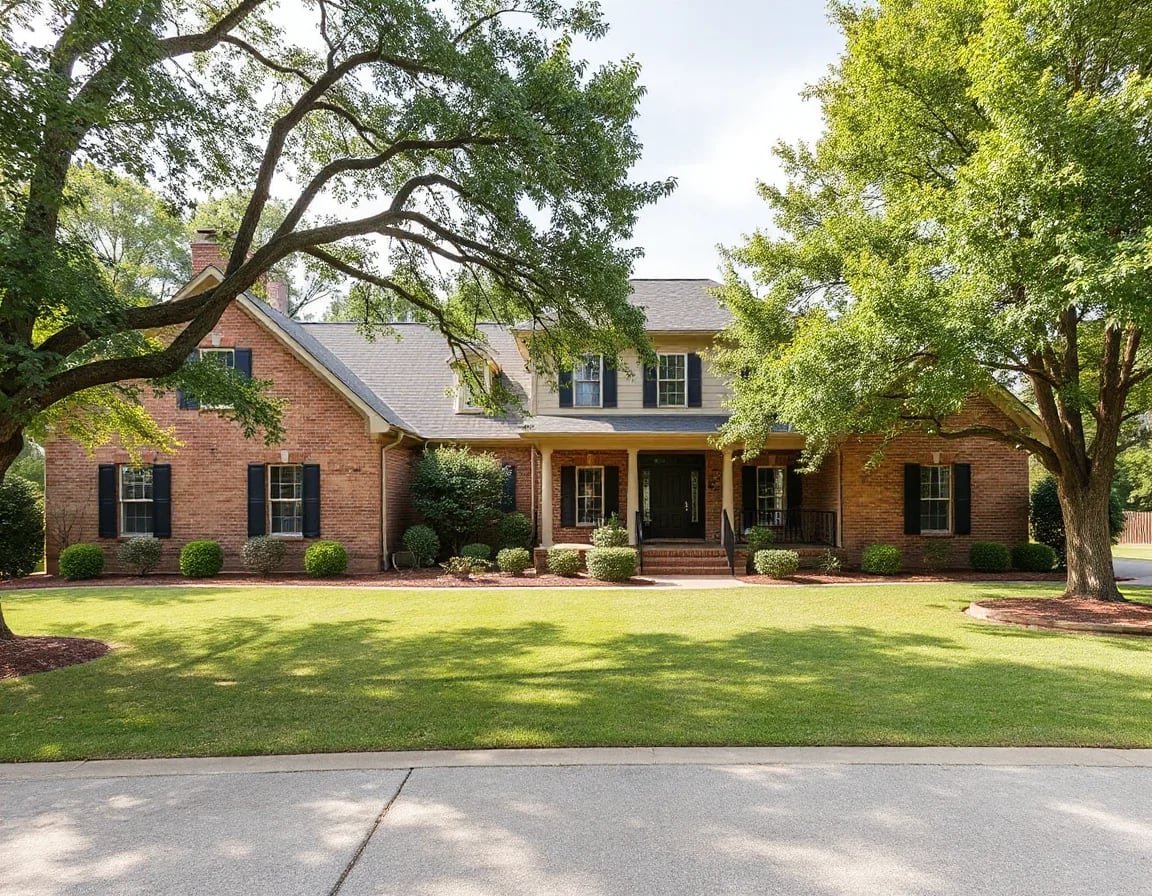
In Greenville’s $300K to $600K price range, buyers often compare several well-maintained homes at once. The listings that earn the strongest attention usually make the value easy to see: a welcoming exterior, clear functional spaces, thoughtful updates, useful outdoor areas, and a pricing plan grounded in current competition. Focus on the details that photograph well, show well, and answer practical questions before a buyer has to ask.
Make the First Impression Work Harder
At this price point, a home does not need to be brand-new or filled with expensive finishes to stand out. It does need to feel cared for from the first photo through the final walk-through. Greenville buyers may be comparing homes with different ages, layouts, and renovation histories, so the goal is not to imitate every competing listing. It is to present your property with a clear, confident sense of condition and value.
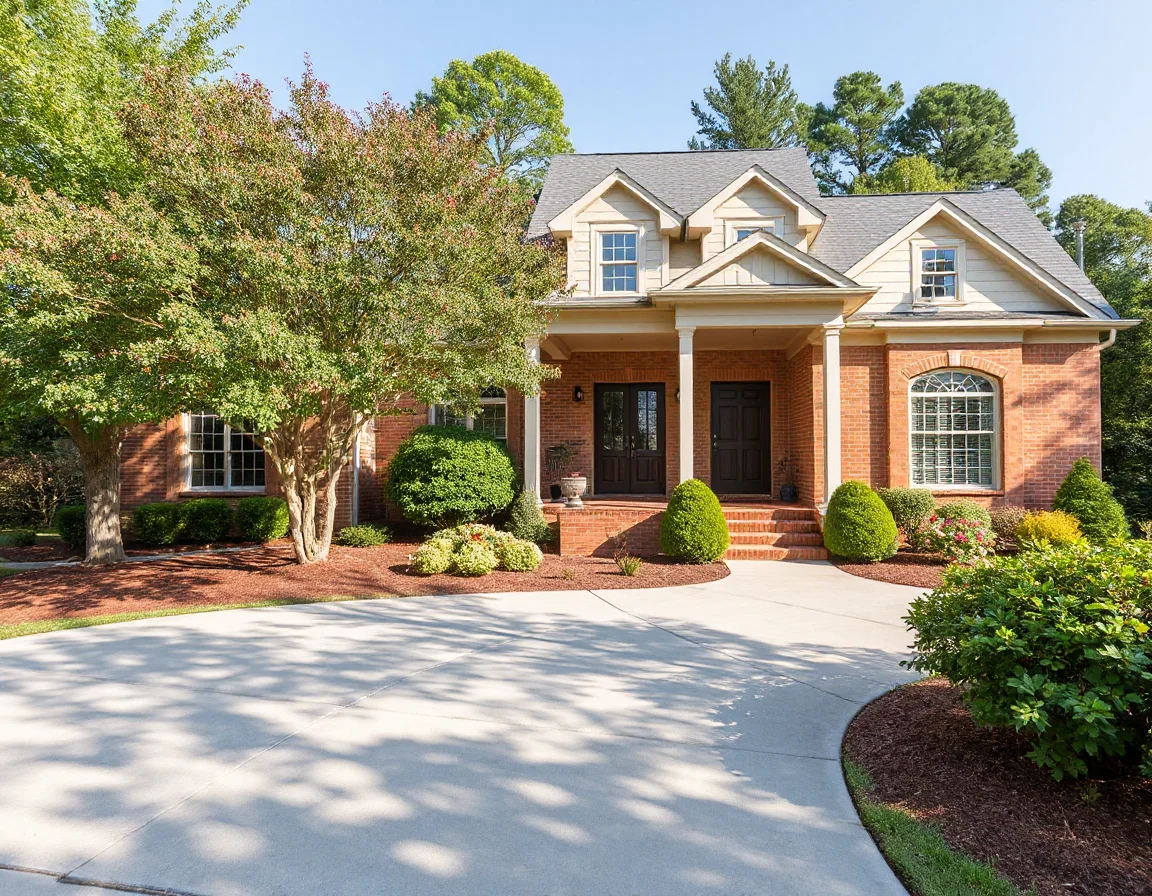
Feature one: intentional curb appeal. Buyers begin forming an opinion before they reach the door. A freshly edged lawn, trimmed shrubs, a cleared walkway, clean windows, and a front door in good condition can make an immediate difference. Replace burned-out bulbs, remove seasonal clutter, and look at the exterior from the street as if seeing it for the first time. Small repairs around shutters, railings, house numbers, gutters, and mailbox areas can help the home read as move-in ready rather than as a project waiting to happen.
Exterior preparation is also practical for listing photography. Greenville’s changing light and leafy surroundings can make a cared-for yard feel especially inviting, while a cluttered entry can distract from otherwise strong architecture. Keep the front porch simple: a clean mat, a few restrained planters, and seating only if it fits the scale of the space. The point is to show how someone can use the entry, not to fill every available corner.
A focused exterior refresh often costs far less than a major renovation, yet it influences the first listing photo, the first drive-by, and the first moments of every showing.
Feature two: rooms with an obvious purpose. Buyers respond well when they can quickly understand how a home functions. That means making the dining area look like a dining area, giving a flex room a clear use, and editing furniture so traffic flow is easy to see. If a bedroom has become a storage room, restoring it to a bedroom setup can help buyers recognize the home’s full layout and capacity without relying on their imagination.
Show Everyday Function, Not Just Surface Style
In the $300K to $600K range, buyers often look closely at the places where daily routines happen. A polished kitchen, a usable primary suite, and organized storage may carry more weight than a long list of decorative upgrades. Sellers do not need to chase every trend. Instead, prioritize visible maintenance, cohesive finishes, and improvements that reduce uncertainty.
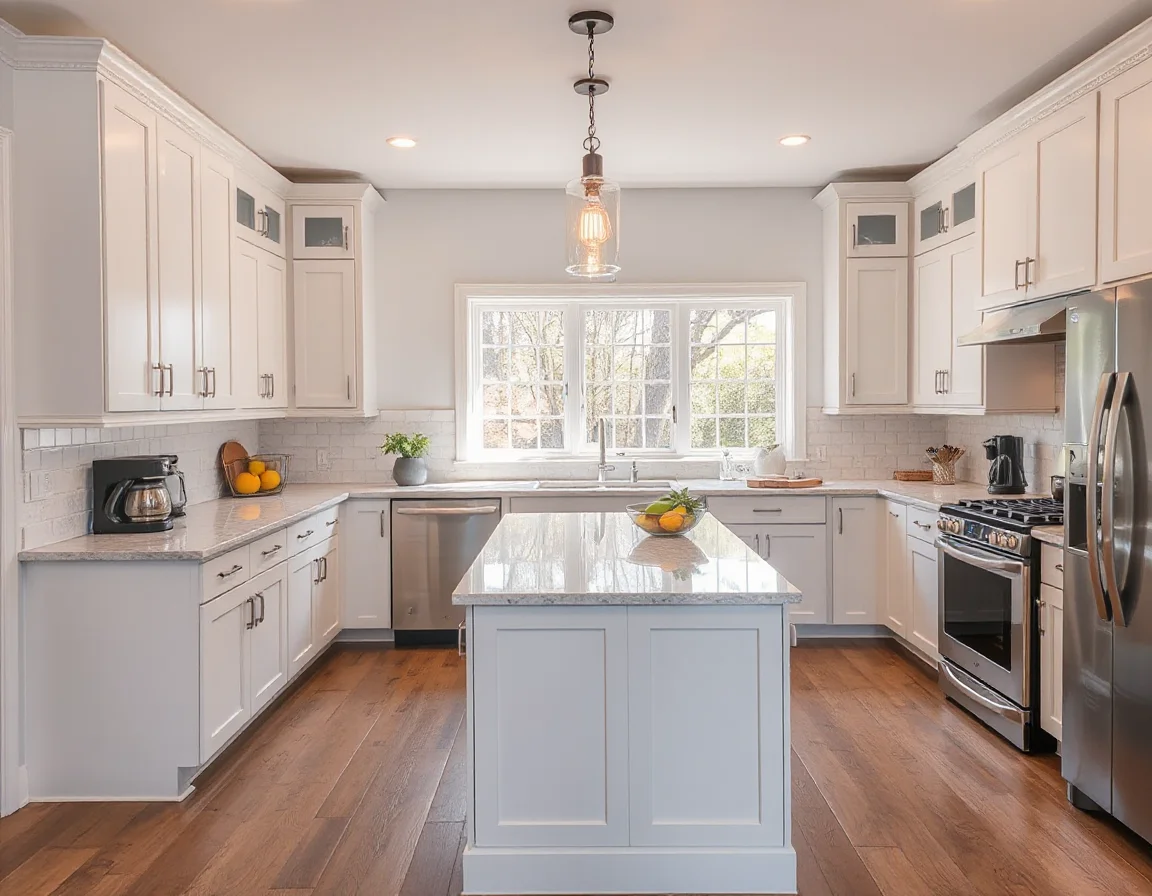
Feature three: a clean, current kitchen presentation. The kitchen is frequently a decision-making space, even when the buyer is not seeking a full remodel. Clear counters, repaired cabinet hardware, updated lighting, and freshly cleaned appliances can shift the overall impression. If the budget allows, simple changes such as a new faucet, coordinated pulls, touch-up paint, or a refined backsplash may create a more finished look. Keep renovation choices broad and durable rather than highly personal, especially if the home will be listed soon.
It is equally important to show usable storage. Empty enough pantry shelves to reveal capacity, straighten cabinets that may be opened during showings, and remove magnets, paperwork, and countertop appliances that obscure work surfaces. The strongest kitchen presentation lets buyers see both the visual appeal and the practical rhythm of the room.
Feature four: bathrooms and primary spaces that feel maintained. A bathroom does not need luxury finishes to make a positive impression. Fresh caulk, clean grout, functioning exhaust fans, bright bulbs, intact mirrors, and neatly folded towels tell a powerful condition story. In bedrooms and primary suites, reduce excess furniture and clear flat surfaces. These spaces should feel calm, useful, and easy to maintain, not overly staged or stripped of all personality.
Before investing in a large remodel, address visible repair items first. Buyers tend to notice a dripping faucet, loose handle, stained grout line, or damaged trim long before they calculate the cost of a new fixture.
Throughout the house, consistency matters. A patchwork of unfinished projects can make buyers question what else has been deferred. Complete paint touch-ups, replace mismatched switch plates where appropriate, repair doors that stick, and make sure every light works. These details support the central message that the property has been thoughtfully prepared.
Extend the Value Beyond the Interior
Feature five: an outdoor area with a clear use. Greenville’s climate gives patios, decks, screened porches, yards, and garden areas meaningful appeal across much of the year. Whether your home has a compact courtyard or a larger backyard, present it as a maintained extension of the living space. Power-wash hard surfaces where needed, remove worn furniture, define a seating or dining zone, and keep landscaping trimmed away from the structure.
A simple outdoor setup can help buyers understand scale and potential. On a deck, that might mean a small table and chairs. On a patio, it could mean clean seating around a modest fire feature. For a yard, show open lawn, garden beds, shade trees, fencing, drainage features, or storage areas honestly and neatly. The goal is not to promise a particular lifestyle to a particular buyer; it is to make the property’s spaces easy for anyone to evaluate.
Documentation can strengthen this feature as well. Gather records for roof work, HVAC service, window replacement, appliance purchases, landscaping improvements, permits, warranties, and major repairs when available. A buyer may appreciate a beautiful outdoor space, but clear maintenance information can reinforce confidence during the decision process.
Pair Preparation With a Clear Market Strategy
Great presentation gets attention, but it works best alongside a pricing and launch strategy that reflects current Greenville competition. Compare your home with recently sold properties, active listings, pending homes, lot size, condition, layout, updates, and location factors. An attractive list price should invite serious interest while remaining connected to evidence buyers and appraisers can understand.
It also helps to plan the listing launch in advance. Complete repairs before photography, schedule images when the home is clean and bright, and have disclosures and improvement records ready. A rushed listing can leave sellers reacting to details that could have been resolved beforehand. A coordinated approach gives the home its strongest introduction and makes showings easier to manage.
Real Home International combines local Greenville and Upstate South Carolina market focus with practical tools for sellers who want a clearer next step. The most compelling homes in this range are rarely defined by one oversized upgrade. They stand out because the exterior, rooms, maintenance, outdoor space, and price all tell the same straightforward story: this home is ready to be considered.