
A Spartanburg duplex can create two income streams from one property, but the asking price is only the starting point. Review the eight numbers below before making an offer so you can compare properties on income, expenses, financing, and realistic repair needs—not just a listing’s projected return.
Start With the Numbers Behind the Listing
A duplex purchase asks you to think like both a home buyer and a property owner. One unit may be occupied, both may be rented, or you may plan to live in one side while leasing the other. In every scenario, the decision becomes clearer when the income and expense assumptions are written down in one place before you fall in love with a kitchen update, a convenient street, or an attractive exterior.
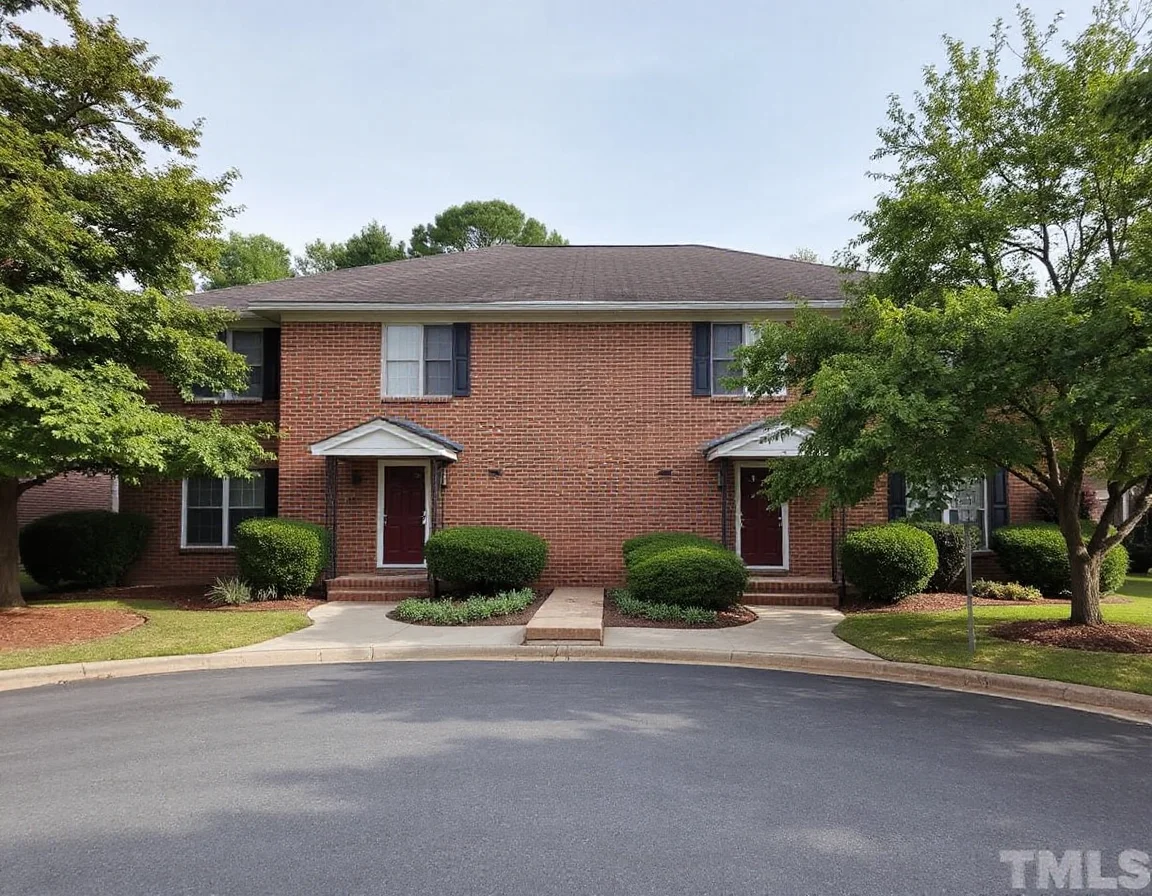
Listings can be a useful first look, but advertised rents and projected returns should be verified. Request current leases when available, ask for a history of rent collections and repairs, and compare the property’s condition with the numbers being presented. A solid evaluation includes a realistic cushion for vacancies, maintenance, and the months when an expense arrives before the next rent payment does.
The checklist below is designed to help you turn a duplex listing into a practical ownership picture. It does not replace advice from a lender, inspector, accountant, attorney, or real estate professional, but it gives you better questions to ask during a showing and while reviewing your offer strategy.
1. Purchase Price and Cash Needed to Close
Begin with the full acquisition cost, not just the contract price. Estimate your down payment, lender fees, appraisal, inspections, prepaid taxes or insurance, and any immediate work needed before a unit can be occupied. If the property needs exterior repairs, flooring, appliance replacement, or utility updates, add those costs to your initial cash requirement rather than treating them as an afterthought.
A duplex that appears affordable at the list price can require substantially more cash if one unit needs repairs before it can produce reliable rental income.
2. Monthly Scheduled Rent
Write down the rent for each side separately. If both units are leased, use the actual lease amounts and note each lease end date. If one side is vacant or the listing uses a projected figure, compare that estimate with current competing rentals that have similar bedroom counts, condition, parking, utilities, and location. A higher target rent should be supported by the property’s features and recent local rental evidence.
Also identify which utilities are paid by the occupant and which are paid by the owner. A duplex with separately metered electric service can look very different from one where the owner covers multiple utility accounts. Scheduled rent is your starting point, but it is not the same as money that will necessarily arrive every month.
3. Vacancy and Collection Allowance
Even a well-kept property can have turnover between leases, delayed move-ins, or an unexpected period without rent. Build a vacancy and collection allowance into your analysis rather than assuming 12 perfect months of payments. This reserve recognizes that income property performance is measured over time, not only during the strongest month on a spreadsheet.
A simple approach is to subtract an allowance from the annual scheduled rent before calculating returns. The appropriate percentage depends on the property’s lease history, condition, local rental competition, and your own tolerance for uncertainty. The important point is consistency: use the same conservative method when comparing one Spartanburg duplex with another.
Measure the Cost of Keeping It Operating
Income is only one side of the equation. A duplex with strong rent can still deliver disappointing results when expenses are underestimated. Review documents where possible, including tax bills, insurance declarations, utility statements, repair invoices, and any records supplied by the current owner. When records are incomplete, use cautious estimates and leave room for changes after closing.

4. Annual Property Taxes
Confirm the current tax amount and ask how a sale could affect the future assessment. Tax treatment may differ depending on how the property is used, and figures shown in a listing or seller worksheet may not reflect your final ownership situation. Divide the annual estimate by 12 so the monthly operating picture includes a realistic tax reserve.
5. Insurance Premium and Deductible
Obtain an insurance quote early, particularly if the building is older or has features that may require additional underwriting review. The annual premium matters, but the deductible matters too. A lower monthly premium can be paired with a deductible that changes how you would handle a roof issue, water damage, or another covered event. Include the premium in operating expenses and maintain a separate emergency fund for deductible-level surprises.
6. Repairs, Maintenance, and Capital Reserves
Routine maintenance includes the ordinary work that keeps a property functioning: plumbing calls, HVAC service, paint touch-ups, gutter cleaning, pest treatment, locks, and minor appliance repairs. Capital expenses are larger and less frequent, such as a roof, water heater, HVAC replacement, windows, or significant paving work. Both belong in your analysis, even if the current owner has not recently paid for them.
During inspection, pay close attention to the age and condition of major systems for each unit. Two separate HVAC systems, two water heaters, or aging electrical components can make a duplex more expensive to maintain than its outward appearance suggests. A repair reserve is not pessimism; it is a way to keep one large invoice from disrupting the plan you made at closing.
Ask for the age of the roof, HVAC equipment, water heaters, and major appliances in both units. Replacement timing can matter more than a small difference in monthly rent.
7. Monthly Debt Payment and Debt-Service Coverage
Your financing cost should include principal, interest, taxes, insurance, and any applicable mortgage insurance or association dues. Run the numbers at the actual interest rate and loan terms available to you, not only at a generic online estimate. Then compare the property’s net operating income with its annual debt payments. This comparison is commonly called debt-service coverage, and it helps show whether the income has room to support the loan after ordinary operating expenses.
A property that only works when every assumption goes right deserves a closer look. Consider how the payment would feel if a lease ended, a repair arose, or rents took longer than expected to reach the level you projected. Lender requirements, personal financial goals, and ownership plans all influence what level of cushion makes sense.
Compare Returns With a Clear, Consistent Method
8. Net Operating Income, Cap Rate, and Monthly Cash Flow
The eighth number is really the final result of the checklist: what remains after you subtract vacancy, taxes, insurance, utilities paid by the owner, maintenance, management if applicable, and reserves from collected rent. That figure is net operating income. Dividing it by the purchase price can provide a capitalization-rate comparison between properties, while subtracting your monthly debt payment helps estimate cash flow after financing.
These measures answer different questions. Cap rate helps compare the property’s operating performance before financing. Monthly cash flow helps you see the likely effect on your household budget after the loan payment. Neither number should be treated as a promise, because actual performance changes with occupancy, repairs, financing, and local conditions. Used together, however, they make it easier to recognize whether a listing’s projected return is based on durable assumptions.
Keep a simple worksheet for every duplex you tour. Use the same categories, note the source for each estimate, and flag unknowns instead of filling them with optimistic guesses. That discipline can make negotiations more focused, whether you need to account for deferred maintenance, request documentation, or decide that another property offers a more comfortable margin.
A well-chosen duplex is not defined by one headline number. It is a property where the purchase costs, rent potential, operating expenses, financing, and reserve plan work together in a way that supports your goals. Real Home International can help you explore Spartanburg options and approach the details with practical, locally focused guidance.