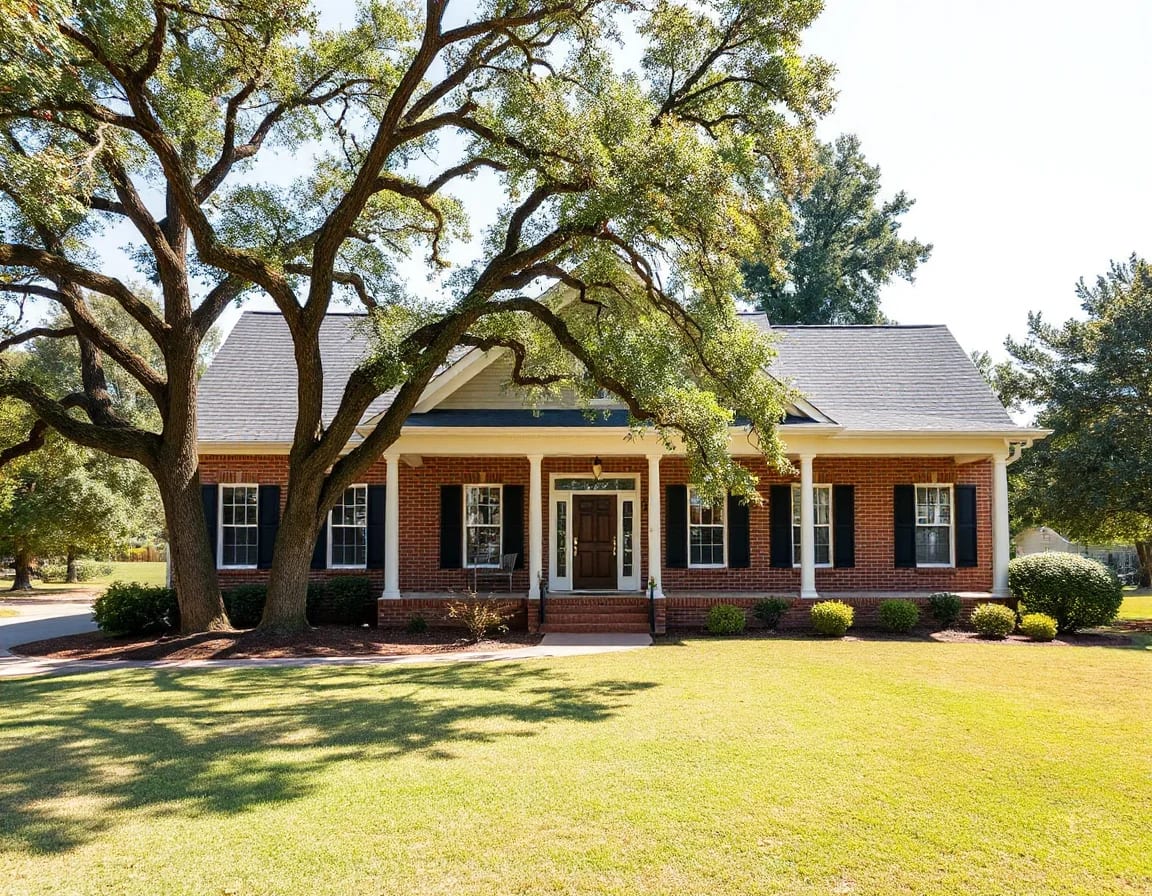
A VA loan can make buying a home in Greer more approachable with flexible financing features for eligible borrowers, but the strongest offers begin well before the first showing. This road map breaks the process into practical steps—from confirming eligibility and setting a budget to writing an informed offer and preparing for closing—so you can focus on homes that fit your goals.
Start With Eligibility, Budget, and a Clear Plan
Buying with a VA-backed mortgage is a meaningful benefit for eligible veterans, active-duty service members, qualifying members of the National Guard or Reserves, and certain surviving spouses. The program is backed by the U.S. Department of Veterans Affairs, while the actual loan is issued by a private lender. Before touring homes around Greer, it helps to understand both sides of the equation: whether you qualify for the benefit and what monthly payment range fits comfortably within your financial plan.
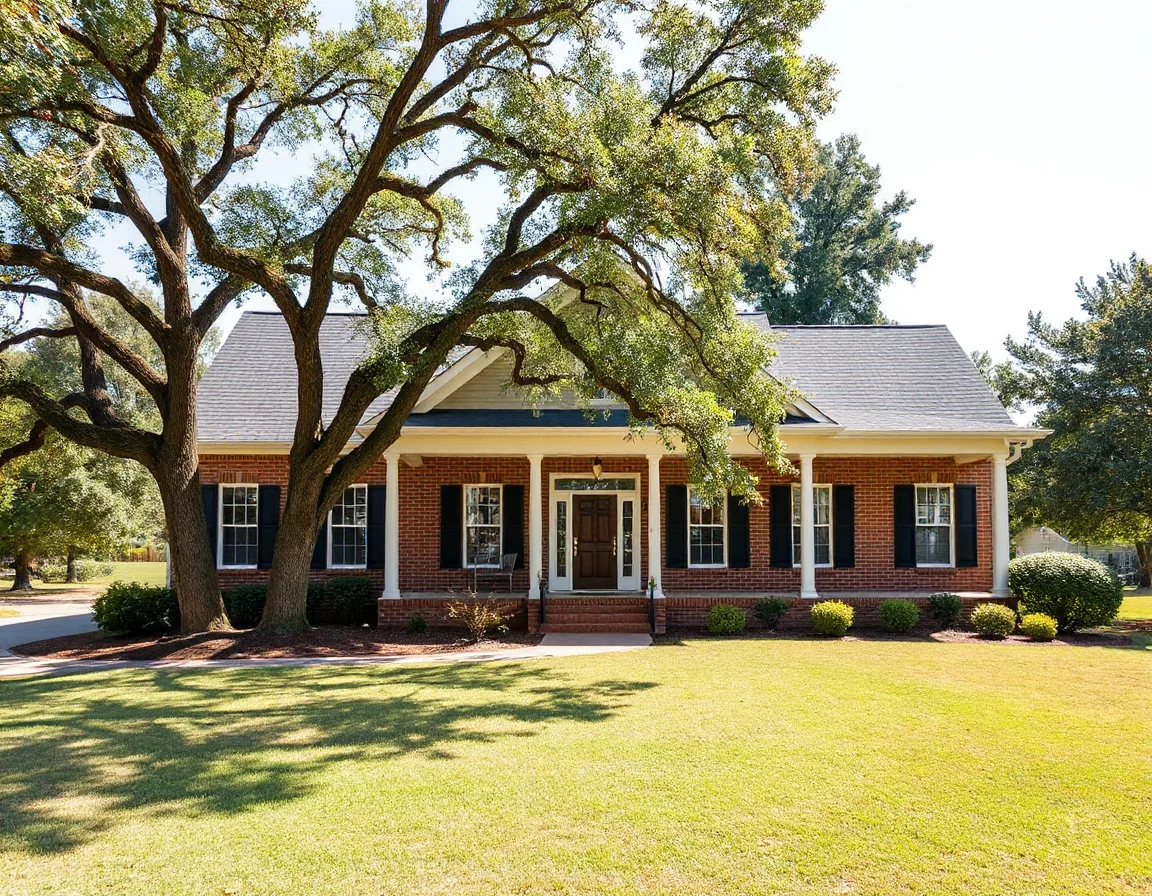
Your first document to pursue is a Certificate of Eligibility, often called a COE. It confirms to a lender that you are eligible to use VA loan benefits and may show the amount of entitlement available. Many lenders can help request a COE through the VA’s system, although applicants may need to provide service records or other supporting documentation. Getting this task underway early keeps it from becoming a last-minute hurdle when the right home appears.
A lender preapproval is the next practical milestone. Unlike a quick online estimate, a preapproval typically reviews income, debts, credit, available assets, and the proposed loan structure. Ask the lender to discuss the projected principal and interest payment, property taxes, homeowners insurance, and any homeowners association dues. A VA loan may allow eligible buyers to purchase with no down payment, but it does not mean there are no costs to plan for. Closing costs, prepaid items, inspection expenses, moving costs, and reserves for home updates all deserve a place in the budget.
A preapproval amount is a ceiling, not a spending target. Choosing a payment range that leaves room for maintenance, utilities, and everyday priorities can make the move into a Greer home feel more sustainable from day one.
VA loans do not require private mortgage insurance in the same way many conventional low-down-payment loans do. Depending on the borrower’s circumstances, a VA funding fee may apply; some borrowers are exempt, and the percentage can vary based on factors such as prior VA loan use and down payment. Your lender can provide a current, personalized estimate rather than relying on a general online calculator.
Build a Smart Search Around Greer’s Housing Options
Once financing is taking shape, the home search becomes much more focused. Greer offers a varied housing landscape, including established neighborhoods, newer construction, townhomes, properties with larger lots, and locations with convenient access to Greenville, Spartanburg, and major Upstate employment corridors. Rather than beginning with a long wish list, identify the features that will matter most after closing: layout, condition, storage, outdoor space, commute preferences, association rules, and anticipated maintenance.

It is also wise to separate “can change” from “cannot change.” Paint colors, appliances, and landscaping can usually be updated over time. The lot, surrounding road pattern, home layout, utility setup, and location relative to the places you visit most often are harder to alter. During showings, take notes and photos with permission, compare each property to the same core criteria, and avoid letting one attractive finish distract from larger questions about condition or fit.
A VA appraisal is an important part of the financing process, but it is not a substitute for a buyer’s home inspection. The VA appraisal helps establish value for the lender and confirms that the home meets VA minimum property requirements. A professional inspection, meanwhile, gives you a closer look at visible systems and conditions. Depending on the property, you may also consider specialized evaluations for items such as a septic system, well, roof, pest activity, or HVAC equipment.
For homes with an HOA, request and review the available association materials as early as possible. Monthly or annual dues, transfer fees, rental restrictions, exterior maintenance rules, and reserve information can affect both your budget and your ownership experience. This is especially useful when comparing a townhome with exterior maintenance included against a detached home where all upkeep is handled directly by the owner.
Write an Offer That Supports the Loan Process
In a competitive market, a strong offer is not only about the purchase price. It is also about clarity, timing, and terms that align with your financing. Once you have identified a home, your real estate professional can help you evaluate recent comparable sales, the property’s condition, the seller’s timeline, and the practical details that may affect negotiations. A well-organized offer communicates that you have done the preparation needed to move forward.
Share your preapproval status and intended VA financing with your agent before an offer is written. That conversation allows the contract timeline to account for lender processing, appraisal scheduling, inspection due diligence, and any documents requested during underwriting. If you are considering seller-paid closing costs, discuss the request in the context of the property and local market conditions. Seller concessions can be permitted within program rules, but the details should be reviewed carefully with your lender and agent.
Keep the Due-Diligence Window Productive
After a contract is accepted, deadlines begin to matter. Schedule the inspection promptly, send requested documents to the lender quickly, and avoid making major financial changes until closing. Opening new credit accounts, financing a vehicle, moving large sums without documentation, or changing jobs can create questions during underwriting. If a financial change is unavoidable, tell your lender early so there is time to understand the impact.
During appraisal and underwriting, occasional repair requests or valuation questions may arise. Stay focused on the information in front of you rather than assuming the transaction will not move forward. Your lender, agent, inspector, and closing team each play different roles, and timely communication helps everyone respond to issues with the best available options.
- Confirm your Certificate of Eligibility and lender preapproval.
- Set a payment range that includes taxes, insurance, dues, and maintenance planning.
- Compare homes using location, condition, layout, and long-term upkeep priorities.
- Use the inspection period to understand the property beyond the VA appraisal.
- Keep finances stable and respond quickly to lender requests before closing.
Move Toward Closing With Confidence
The final stretch is about verification. Review your Closing Disclosure when it arrives, compare it with the loan estimate, and ask questions about any figures you do not recognize. Arrange homeowners insurance, confirm utilities and transfer details, and complete a final walkthrough shortly before closing to make sure the home is in the agreed-upon condition. The walkthrough is not another inspection, but it is an opportunity to confirm that requested repairs and included items have been handled as expected.
Greer’s location in the Upstate gives buyers access to a broad regional housing market, and a VA loan can be a valuable tool within that search. The best path is rarely rushed: establish your financing, define the property features that matter, investigate each home carefully, and keep your team informed. With a thoughtful process, you can approach the purchase decision with a clearer view of both the home and the numbers behind it.
Talk with Real Home International about your Greer home search